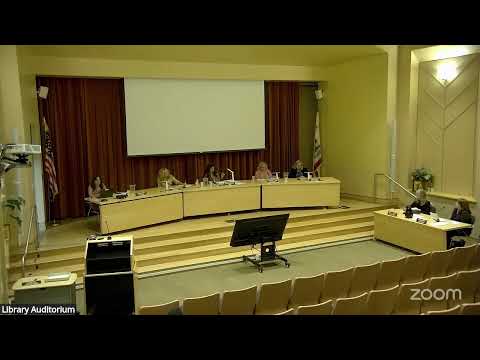
Orinda holds study session on citywide objective design standards; council asks for clarification on scope and fire‑safety materials
Loading...
Summary
City staff and consultant Opticos presented a draft citywide objective design standards document intended to streamline qualifying housing projects and clarify design rules. Council members and staff discussed massing, materials, applicability to SB 9/ADU projects and whether to include architectural style standards.
Orinda city planners and consultant Opticos presented a draft citywide objective design standards document at a council study session on Oct. 21, outlining standards intended to make housing design requirements clearer, more predictable and compatible with state streamlining laws.
Principal Planner Christine Thompson and Opticos consultant Tony Perez reviewed the project background, legal context and draft chapters covering site design, building design, subdivision standards and administration. Staff said the effort implements the city’s 6th-cycle housing element Action 3.E and is intended to apply to qualifying multiunit projects that seek streamlined ministerial review under state laws such as SB 35, SB 9 and related statutes.
"Objective design standards are intended to make requirements clearer and more predictable," Thompson told council members. The draft, staff said, is the result of consultant work that began in April and includes research, a planning‑commission study session in September and the current council briefing; staff expects to return with a revised draft ahead of a spring 2026 adoption process.
Perez, who leads form‑based and objective‑standards projects for Opticos, described options communities use to regulate building form and appearance. He outlined five approaches ranging from style‑neutral massing and facade articulation to explicit architectural style standards. Perez cautioned that architectural style rules require detailed work to identify essential elements and market‑available dimensions and materials.
Council members asked how the standards would apply in different circumstances. Staff said the standards are primarily intended for qualifying multifamily and multiunit projects, including some projects eligible for SB 9 streamlining, but not for accessory dwelling units covered by state ADU law. Thompson clarified that the standards would be applied depending on the statutory track: "If an applicant comes in under SB 9 and says my situation meets this criteria, it will then it first has to be assessed. Does it? Yes or no? If it does, then there's a question about ... is it going to go through design review? Is it going to go through objective design standards?"
Council discussion focused on a few recurring topics: massing and articulation to avoid blocky facades; the definition of a "house scale" so duplexes or fourplexes can fit into single‑family streetscapes; and materials, particularly how to marry fire‑safety requirements with a desire for natural and durable finishes. Perez and staff noted jurisdictions sometimes provide an allowed materials list that staff can update as green and fire‑safe materials evolve.
Several council members expressed reluctance to adopt strict architectural style rules for the whole city. One council member cited Santa Barbara's targeted approach — limiting styles in the core — and said Orinda does not have a single dominant historic style that would justify a citywide style mandate. "I have come around to the feeling of no," the council member said about citywide style standards, adding that Orinda's housing stock is diverse and that overly prescriptive style rules could look out of place.
Planning staff said the draft includes building typologies and massing rules, landscape, lighting and subdivision provisions, and that the document will be revised to address commission and council feedback. Thompson said the plan will also emphasize community engagement in any environmental review tracks and that staff had already provided Opticos with city file material and past comment letters to inform the consultant work.
Next steps: staff will revise the draft and return with an updated document for public review and hearings; the timeline targets adoption in spring 2026. Council members asked staff to refine sections on materials and fire considerations, clarify application to SB 9 and small subdivisions, and confirm where sidewalks, frontage and subdivision street‑improvements would be required.