
Placer School for Adults presents expansion plan and data: thousands served, jail education and new CTE offerings
Get AI-powered insights, summaries, and transcripts
Subscribe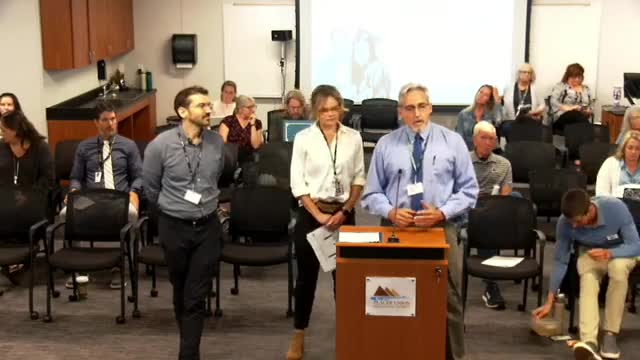
Summary
Placer School for Adults told the Placer Union High School District board that adult-education enrollment and programming are growing: classrooms, jail-based instruction and career-technical programs together serve thousands of adult learners across the region and depend on a mix of state and federal funding.
Placer School for Adults (PSA), the adult-education arm of the Placer Union High School District, presented an overview of services, enrollment and funding to the board. PSA leaders described program growth across Placer and Nevada counties, new classroom space at the Lynn McDonald Education Center, and expanded CTE and justice-involved education.
Why it matters: PSA serves adult learners who are parents, neighbors and employees in the district’s communities. Adult education outcomes — high-school diplomas, GEDs, ESL progress and job-training certificates — have measurable downstream effects on household incomes and student outcomes within K–12 families, PSA leaders told the board.
What PSA reported
- Scale and demand: PSA and its regional consortium served several thousand students in the most recent year; staff estimate growth and said they expect to serve more than 4,500 students districtwide in the next year and more than 8,000 across the regional consortium anchored at Sierra College.
- Program mix: The program portfolio includes high-school diploma and GED preparation, English-as-a-Second-Language (ESL) classes in multiple languages, career-technical education (CTE) courses, justice-involved instruction in county jails (Placer and Nevada), and short-term workforce-preparation credentialing tied to WIOA funds.
- Funding: PSA funding comes from the California Adult Education Program (state), federal WIOA/title II funds, Memoranda of Understanding with county sheriff’s departments for jail instruction, select ADA funding for inmate attendance, and other grants (CalWORKs and similar). Staff told the board PSA’s current annual budget was roughly $3.2 million and that they plan to carry a 10–12% reserve.
- Justice-involved education: PSA instructors operate inside local jails; staff said lockdowns and classification moves can disrupt attendance and the computed ADA for those classes. To mitigate interruptions, PSA invested in secure tablet devices that allow students in housing units to continue vetted learning modules and practice exam work when in-person classes are disrupted.
- New and continuing initiatives: PSA has expanded geography (Truckee/North Tahoe) and is piloting CTE pathways (including electrical, truck-driving and a proposed drone program). Staff said the PSA consortium will continue aligning pathways to Sierra College to create clearer transitions for adult students to postsecondary credentials.
Board reaction and next steps
Trustees asked about capacity, funding stability (particularly WIOA payment points) and how the district ensures equitable services across widely spaced sites. PSA leaders said the program can scale further but that growth depends on sustainable WIOA and state adult-education funding streams. The board approved a capital remodel contract for an on-campus annex to provide additional classroom and office space using PSA funds (Fund 11).
Speakers
- Stephen Casper, Principal, Placer School for Adults (presenter) - Noah Levinson, Assistant Principal, Placer School for Adults (presenter) - Gail Baker, Teacher, Placer School for Adults (honored staff) - Sonia Hamilton, Instructor/Artist (honored staff) - Trustee Spade and other board members (questions and direction)
Ending
PSA asked the board to treat adult education as an integral part of the district’s mission; staff committed to bring back periodic updates on WIOA payment-point trends, program growth and the status of the annex remodel.