Get Full Government Meeting Transcripts, Videos, & Alerts Forever!
Get email alerts on the Animal Welfare Spay Neuter topic
No spam. Unsubscribe anytime.
Advocates press Bakersfield council to restore mobile spay‑and‑neuter funds; council asks staff to review agreements
Summary
Residents and rescue groups urged the Bakersfield City Council to restore and expand mobile spay‑and‑neuter funding for the city animal shelter; councilmembers asked staff to re‑evaluate current contracts and explore matching funds and a mobile component.
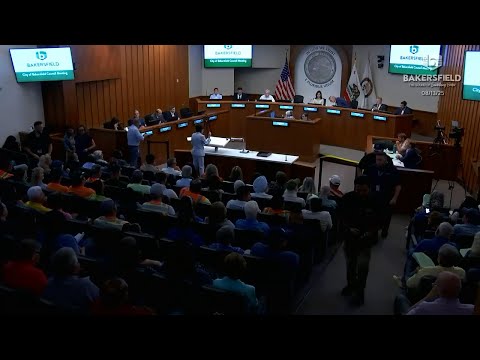
Advocates for accessible pet sterilization urged the Bakersfield City Council on Aug. 13 to restore funding for mobile spay‑and‑neuter clinics, saying the program reduced shelter intake and euthanasia.
The appeals came during the meeting’s public‑comment period, where residents and rescue operators described outreach work in neighborhoods with high shelter intake and asked the council to reinstate roughly $100,000 the shelter received the previous year for mobile services. “It’s gonna take years to curb this pet overpopulation issue we face with consistent effort and money,” said Michelle Peters, who identified herself as a city resident and volunteer. She said last year’s $100,000 had been fully spent on targeted mobile clinics.
Why it matters: Councilmembers and animal‑welfare groups said mobile clinics can be more effective for communities with transportation barriers and can reduce long‑term shelter costs. Speakers supplied cost comparisons during public comment: Jennifer Haritani, director of operations for Strength of Shadow Dog Rescue, said the clinic surgery cost averages about $190 per animal versus an estimated $839.70 per animal for intake, basic care and, if necessary, euthanasia.
Council reaction and next steps: Councilmember Basharash asked staff to re‑evaluate the city’s agreement with the Coalition for Bakersfield Animal Care (CBAC) and explore matching funds offered by local nonprofits. “I’d like to make a referral back to staff that we reevaluate our agreement with CBAC,” Basharash said. Councilmember Gonzales and Vice Mayor Kohr supported pursuing a public‑private match and specifically asked that any funded program include a mobile‑clinic component so services reach neighborhoods and people without reliable transport.
City staff remarks: City staff confirmed there is an annual competitive contract for high‑volume spay/neuter that was previously awarded to a low qualifying bidder and that the city has increased other operating and capital allocations to the animal shelter in recent years. A staff member noted the city had increased operating contract support and made capital investments in the shelter infrastructure, but that mobile clinic funding is handled through separate awards and competitive processes.
Public advocates’ work: Rescue leaders said they have been running mobile clinics using a mix of private grant money and last year’s city allocation. Robbie Miller, founder of SOS Dog Rescue, said his program has provided thousands of surgeries in less than two years and that demand remains high: “I have a thousand‑person wait list,” he said.
What was decided: Council did not allocate new dollars during the meeting. Instead, members asked staff to return with analysis on the city’s current agreements, options to incorporate a mobile component into contracted services, and possibilities for leveraging nonprofit matches or existing grant lines. No formal vote to appropriate funding was recorded on Aug. 13.
Context and outlook: Advocates asked the council to restore at least $100,000 to CBAC or to direct Measure N/Measure K or other available funds toward mobile spay‑and‑neuter efforts; councilmembers indicated interest in pursuing a matching arrangement and in preserving the existing voucher program. Staff will report back with options and cost estimates before any budget action.