
Franklin Regional board approves middle‑school novel after parents raise concerns over themes
Get AI-powered insights, summaries, and transcripts
Sign Up Free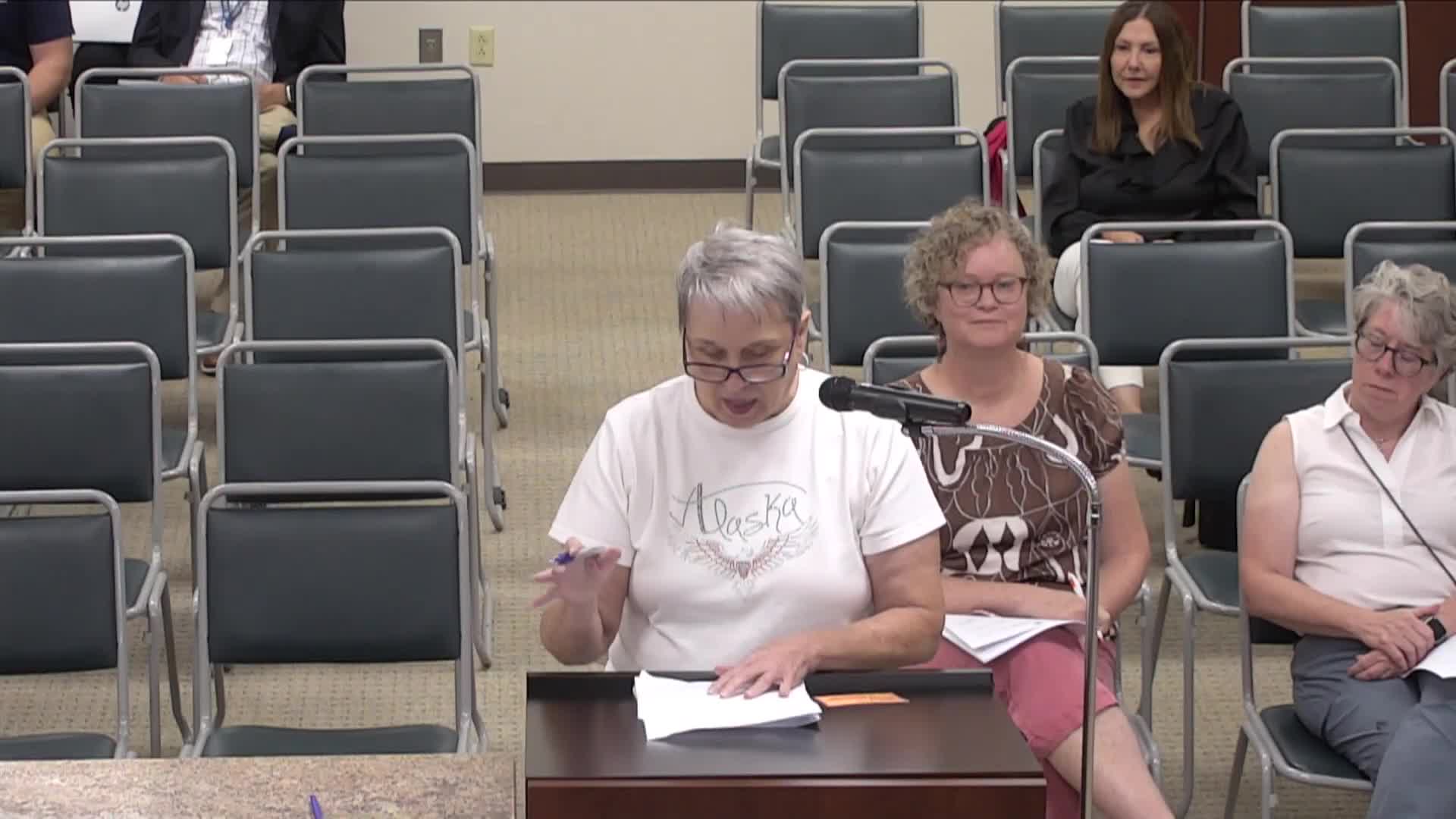
Summary
The Franklin Regional Board approved use of Miss Peregrine’s Home for Peculiar Children in eighth‑grade curriculum after staff described curricular connections and two parents offered contrasting public comments about the book’s suitability.
The Franklin Regional Board of School Directors voted to approve use of Miss Peregrine’s Home for Peculiar Children in an eighth‑grade curriculum segment during its Aug. 18 regular meeting, after district staff described curricular connections and members of the public voiced both support and concern.
District curriculum staff described the novel as connecting literary analysis with historical context. Doctor Delp, speaking for the curriculum team, said the book was proposed to replace a current nonfiction text, 10 Days in a Madhouse, and “there are a lot of tangible connections” to eighth‑grade standards, including themes of identity, belonging and cross‑curricular links to World War II. Delp also said students who wish to opt out should first speak with the teacher to arrange alternative assignments that still meet the standards.
Two public commenters gave opposing views. Helen Elliott said she had read the book and called it “very dark,” citing references to foul language, horror elements and themes she found disturbing and asked whether parents could opt out and what replacements would be provided. Christy Trautman, who said she had read the novel years earlier, told the board she found it appropriate for middle school, praised its themes of belonging and self‑discovery and described it as a “get to read” option that engages students.
Board members asked clarifying questions about grade level and opt‑out procedures. When asked what grade the book would be used for, Delp answered “eighth grade.” On whether a specific alternative assignment had been chosen for opt‑outs, Delp said no specific replacement was named at the meeting and that the teacher would work with families to provide an alternative that preserves the aligned standards.
The discussion referenced a May curriculum committee presentation by Miss Cooley (not present at the Aug. 18 meeting) that curriculum staff said had detailed Lexile levels and instructional connections. Delp characterized the May presentation as addressing both the literary and historical rationales for the choice.
Board approval came as part of the consent agenda that the board approved by roll call later in the meeting. The roll call showed the motion for the consent agenda passed with eight votes in favor and one abstention (Mister Adelina). The meeting record does not show a separate roll call just for the novel approval; it was approved under the broader consent action.
Why it matters: The board’s decision determines classroom reading options for eighth graders and sets the district practice for communicating opt‑out procedures and alternatives to families.
The board did not adopt a districtwide parent opt‑out policy at the meeting; instead, staff described the teacher‑level process for arranging alternatives. The curriculum committee’s prior materials and the teacher‑level accommodations referenced by Delp will be the basis for responding to individual parent requests going forward.