Get Full Government Meeting Transcripts, Videos, & Alerts Forever!
Get email alerts on the School Transportation topic
No spam. Unsubscribe anytime.
Transportation director says new fuel and routing systems cut costs and improve tracking; RFP planned for contract renewals
Summary
Transportation reported approximately $65,000 savings from a new fuel program, adoption of Transact routing and tablet trials to improve real-time tracking, and timelines for an RFP; board discussed commute times, additional bus costs and dry-run ideas for the first day of school.
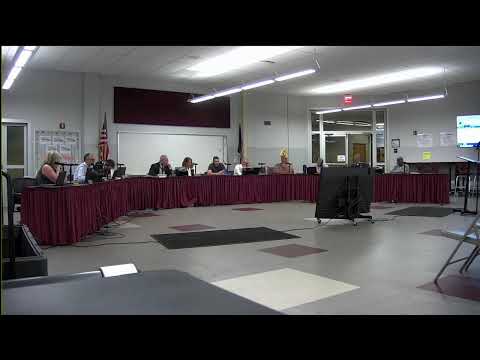
Mr. Bybee, the district's transportation lead, briefed the board on summer work and new systems adopted to manage buses and trips, saying the district saved roughly $65,000 in the first full year after switching to the WEX fuel program.
Bybee described implementation of Transact routing and a field-trip module that centralizes route assignments, company contractors and trip estimates. The system imported student assignments by July 29 and lets contractors and administrators view assigned buses, estimate times and centralize trip requests. The district also trialed a Transact tablet with a passive GPS (about a 7-second delay) that allows single sign-on for sub drivers, audible directions and scanning for student on/off accountability.
The transportation office said tablets can present a QR-code scanning workflow so students can be recorded boarding and departing; the system flags students who do not ride and thus helps identify students who have moved or changed transport arrangements.
Bybee said the RFP for contracted transportation services is with the district solicitor and that, if released in September, it would be open about three weeks. He and Mr. Long also reviewed a timeline to present proposals with board meetings from October through January.
Board members asked about student behavior protocols, long ride times, and fleet capacity. Bybee said drivers contact supervisors for in-route student-behavior incidents and that administrators will respond when necessary; he reported no major unresolved incidents this summer but described a protocol of drivers calling supervisors and, if needed, administrators traveling to the bus.
On capacity and commute times, Bybee said the current bus fleet can accommodate students but that new housing developments could require route changes. He estimated maximum ride times last year were roughly 45–55 minutes for some long routes; there is no state time limit and the board may set a local policy. Adding a single contractor bus would cost approximately $67,000–$80,000 annually and would generally be targeted at a geographic sector rather than shortening every route.
Board members suggested dry-run route days before the first official day of school to let families take photos and confirm stops; Bybee said the district could consider a dry run but might not this year.
Bybee told the board that the district is continuing to tweak times during the first few weeks of school as late registrations, student-driver changes and parent transport choices affect route loads; he said the earliest stable timing will likely come about three weeks into the school year.