Sweet Home School District board removes chair after ethics complaints, refers allegations to state
Loading...
Summary
After multiple complaints alleging illegal "serial" meetings and conflicts of interest, the Sweet Home School District 55 board voted to remove its chair, distribute allegations to all board members, request remedial training from the Oregon School Boards Association and refer the matters to the Oregon Government Ethics Commission.
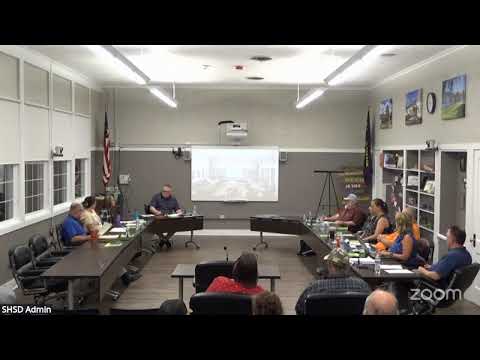
The Sweet Home School District 55 Board of Directors on Aug. 11 moved to reshape its leadership and refer ethics complaints to the Oregon Government Ethics Commission after public testimony and a cluster of grievances alleging illegal outside discussions and conflicts of interest.
The board voted to remove Floyd Neishwander as board chair, to distribute the formal complaints to the full board for review, and to state in its response that it will seek remedial training from the Oregon School Boards Association and defer investigation and any final findings to the Oregon Government Ethics Commission (OGEC). The board also accepted a previously submitted resignation, declared the seat vacant and scheduled decisions on open officer positions for a later meeting.
The actions follow public comments from community members and a string of grievances submitted to the district. Jason Redick, a former board chair, opened public comment saying, “I'm here tonight to speak about the attempt to terminate the superintendent's contract for no cause,” and raised concerns about alleged out-of-meeting communication among board members, possible conflict of interest by the chair, and violations of Oregon public meetings law.
Vice Chair Mike Adams told the board the complaints must be handled under state rules and that the board faced a 21-day timeline to provide written responses to each grievance. Adams summarized legal guidance about what the written replies must say: deny the facts and deny a violation; admit the facts and deny a violation; or admit the facts and admit a violation and say how the board will fix it. He told the board he had consulted with the OGEC and attorneys at the Oregon School Boards Association for procedural guidance.
Board members debated how to proceed in public session. Members voted to distribute copies of the complaints to board members and to read the complaints as part of the meeting record. During discussion, board member Dustin McNamara moved “a vote of no confidence to the current board chair,” saying he had solicited community views and believed leadership action was warranted. The board subsequently approved a motion to remove the chair from the officer position. In a later vote the board nominated and appointed Mike Adams as the new board chair.
The board also approved administrative housekeeping that arose on the consent agenda: acceptance of a resignation from board member Aaron Barstead, with the resignation dated July 28, 2025, and a declaration that the seat is vacant (posting of the position to follow); approval of an out-of-state FFA trip (Oct. 25–Nov. 2, 2025) and approval of minutes from the July 14, 2025 meeting. Those consent-agenda items were approved earlier in the meeting.
At the meeting the business manager reported an early-year budget note: year-to-date spending was about $63,000 higher than the same period last year, driven chiefly by rising liability and property insurance premiums tied to claims and losses across the state. Superintendent Terry Martin also briefed the board on the incoming school year and on an executive order from the governor implementing a statewide ban on student cell-phone use “bell to bell,” saying the district must adopt policy by Oct. 31 for implementation Jan. 1, 2026 and that the district would seek community, staff and student feedback.
For the ethics complaints specifically, the board agreed as part of its written response that it had taken immediate leadership steps: changing officer assignments, committing to remedial public-meetings training through OSBA, and forwarding the complaints to the OGEC for investigation and final determination. The board also agreed to decide remaining open officer positions at a future meeting.
OGEC may investigate and — if violations are substantiated — impose civil penalties under state law. During the meeting board members were reminded that any civil penalties for violations of Oregon’s public meetings law can be assessed personally against board members and cannot be paid by the district.
The district scheduled follow-up work: the board will finalize who holds open officer roles at the next meeting and will place remedial training and further process items on a future agenda while OGEC reviews the complaints.