Get Full Government Meeting Transcripts, Videos, & Alerts Forever!
Get email alerts on the Veterans Services topic
No spam. Unsubscribe anytime.
San Miguel County to allow emergency veterans funds for private medical opinions
Summary
Veterans service officer reported a fourfold rise in compensation awards and commissioners directed staff to add private medical opinions as an eligible use of the county's emergency veterans reserve to help veterans accelerate denied VA claims.
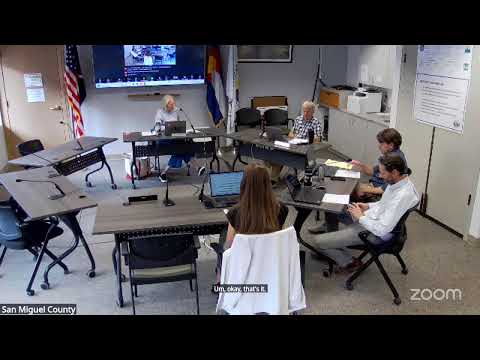
Veterans service officer Mikael Madsen told San Miguel County commissioners at their Aug. 6 meeting that the county's awarded VA compensation payouts have risen sharply and asked the board to broaden the county's emergency veterans fund to cover private medical opinions to speed appeals.
Madsen said the county's total compensation figures rose from about $56,000 in 2023 to nearly $200,000 so far this year and that his office is still processing additional claims. He also told commissioners the county has 3,290 veterans and that, on a per-capita measure of VA expenditures, San Miguel County ranks near the bottom of Colorado counties.
Madsen said federal and state data sources will be reconciled after an upcoming federal audit and described how private medical opinions (PMOs) can shorten or strengthen appeals that otherwise might take years. "My claims take between three and five months to arrive," he said. "These are positive numbers, and this is good work and good news." He added that a PMO can cost roughly $500 for primary-care opinions and about $1,500 for specialist opinions.
Why it matters: Veterans whose claims are denied twice face long appeals timelines. Commissioners directed staff to add PMOs as an eligible use of the county's emergency veterans reserve so the county can help veterans pay for a PMO when it will materially advance an appeal.
Board action and next steps
Commissioners asked staff whether the county already had money set aside and were told the county maintains an annual emergency veterans allocation of about $1,000; staff said the amount could be revisited during the budget process. Commissioners gave staff direction at the meeting to draft administrative language allowing PMOs as a possible emergency expense and to start the process of implementing that change. Staff also agreed to explore whether the change could be applied retroactively in specific cases and to coordinate with neighboring jurisdictions that are considering the same option.
Context and background
Madsen said the county's claims-processing times and the composition of federal and state data (federal GDX audit forthcoming) make per-capita comparisons preliminary but nonetheless concerning. He described one recent denial for a veteran seeking tinnitus benefits and said a privately funded PMO helped secure a rating after two denials by the VA. Madsen and commissioners said such targeted financial help can have a high return on investment for veterans and local communities.
Commissioners and staff emphasized that if the board adopts a formal change it will need written policy language and a process for signatures and documentation when veterans consent to receive the assistance. Staff advised securing written consent for any veteran stories used in outreach or publicity.
What commissioners said
Commissioner Brown called the proposal "a good return on investment," noting the county's emergency fund has been used for rent, food and transportation and could be broadened to help secure veterans' benefits faster. County staff said they would bring administrative language and any required budget adjustments back to the board for review.
Ending
Staff will draft the administrative change to the emergency veterans reserve to permit PMOs as an eligible expense and return to the board with language and budget options. The board also asked staff to report back on whether the change could be applied retroactively in narrowly defined cases where a PMO materially altered an appeal outcome.