Rochester council approves wide-ranging Unified Development Code updates after debate on schools, telecom and cannabis spacing
Loading...
Summary
After more than two hours of staff presentations and public questions, the Rochester City Council approved a package of yearly updates to the city's Unified Development Code, changing rules on cannabis and liquor spacing, permitting for freestanding telecom towers, downtown residential parking and other technical clarifications.
The Rochester City Council approved an annual update to its Unified Development Code on Oct. 20, adopting changes that align local rules with state model ordinances on cannabis and liquor spacing, revise downtown residential parking requirements, and add new provisions for freestanding commercial wireless telecommunications towers.
City staff framed the update as the routine yearly review following the UDC adoption in 2022 and a six-month update, and said the package applies clarifications and several new policy items. Ed Capels, community development staff, told the council the changes try to align definitions with the building code, codify longstanding practice allowing electric vehicle charging stalls to count toward minimum parking requirements, and to remove residential zoning from where liquor and cannabis retail can locate.
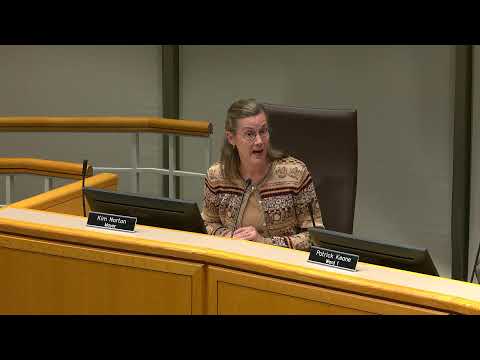
Council members debated several pieces of the package at length, including a proposal to change how the 500-foot buffer for cannabis and liquor sales is measured relative to parks and school parcels. Council Member Palmer proposed an amendment to broaden the protected list to include "medical rooming houses" and to measure distance from full park parcels rather than from child-focused attractions inside parks; city staff and the city attorney advised that measuring from a park parcel could conflict with state statute language and might be legally inconsistent. That amendment failed on an initial roll call but the council later approved a narrower change: removing the word "public" from the UDC's reference to "public school" so the ordinance language mirrors state statute and uses the defined term "school."
Council members also questioned a staff recommendation to allow taller freestanding commercial wireless towers in nonresidential districts (75 feet permitted, up to 65 feet by conditional use in residential zones only when applicants demonstrate other options cannot provide coverage). Staff said the proposal preserves requirements to show co-location and concealment have been exhausted before approving a new tower and that applicants can appeal planning commission decisions to the council.
Supporters of giving the planning commission some decision authority argued it promotes consistent, technical reviews rather than politicizing land-use approvals; some council members said appeals and fees could make it harder for neighbors to escalate decisions to the council. The planning commission will remain the primary approval body for certain conditional uses, and applicants or community members may appeal final decisions to the council.
After amendments and discussion the council voted to approve the text amendment package and directed the city attorney to prepare an ordinance for first reading. The council also approved the narrower amendment removing the word "public" before "school."