Get Full Government Meeting Transcripts, Videos, & Alerts Forever!
Get email alerts on the School Transportation topic
No spam. Unsubscribe anytime.
Board weighs transportation RFP; local contractors warn of higher costs, driver loss
Summary
Shippensburg Area School District board discussed issuing an RFP for student transportation. Local providers warned an RFP could raise costs and prompt drivers to leave; some board members argued an RFP supports transparency and negotiation.
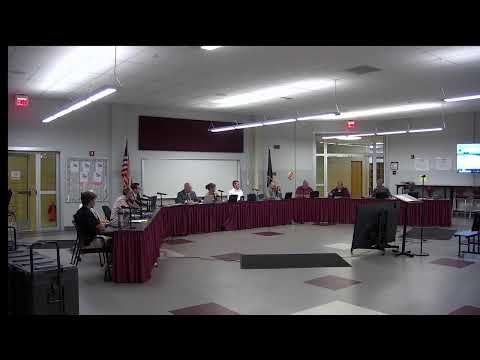
The Shippensburg Area School District held an extended discussion about whether to issue a request for proposals (RFP) for student transportation, hearing from three local contractors and debating the tradeoffs between transparency and service continuity.
Superintendent Caleb August invited the district’s three current providers to address the board. Tom Boynowski of Boyo Transportation, Devon Fries of DL Fries, and Natalie Heck of Heckmars each urged the board to consider the local operational impact of an RFP. Boynowski said districts he has tracked that went to RFP in recent years “none of them saved money in the last 4 years,” and he flagged rising insurance, driver pay and vehicle costs as factors that push contract prices upward. Fries told the board he would risk losing 16 routes and 16 employees if the district delayed an award and competitors hired his drivers. Heck said contractors need sufficient compensation for driver retention and recommended meeting with the current providers to negotiate rather than immediately seeking competitive bids.
Several board members said the district has not issued an RFP for transportation in more than a decade and described an RFP as a tool to improve transparency and inform negotiations. One director said an RFP does not bind the district to accept the lowest bidder and could provide the board with comparable proposals to decide whether to retain current providers or pay a premium to maintain service quality.
Contractors and board members also discussed contract length. Several contractors suggested shorter agreements in the current market; a three‑year term was proposed as more flexible than five years. Contractors urged the district to time any decision to minimize midyear disruption: if a new provider were announced too close to winter months the workforce could change and coverage of routes might suffer.
Transportation staff and board members asked whether RFPs might include language to preserve existing local drivers. Board members discussed options such as preferences for current drivers, but contractors cautioned that a new company may not acquire existing fleet or retain all drivers in practice. The superintendent and transportation staff said the RFP process can be structured to reflect district priorities, including driver retention, insurance minimums and contract length.
The board did not take a vote; discussion concluded with a direction to consider timing and committee review. Board members said they want to move quickly if they decide to issue an RFP, but to balance that with avoiding unnecessary disruption to drivers and service.