Get Full Government Meeting Transcripts, Videos, & Alerts Forever!
Get email alerts on the Workforce Hiring Skills First topic
No spam. Unsubscribe anytime.
Intern presents "Skills First" hiring proposal to IRPS committee; HR director says equivalency practices already used
Summary
Jada Montgomery, a DeKalb County intern, presented a Skills First hiring proposal urging removal or deemphasis of bachelor's degree requirements for many county roles. Human resources staff said the county already applies equivalency clauses and will consider the proposal in an ongoing pay and classification study.
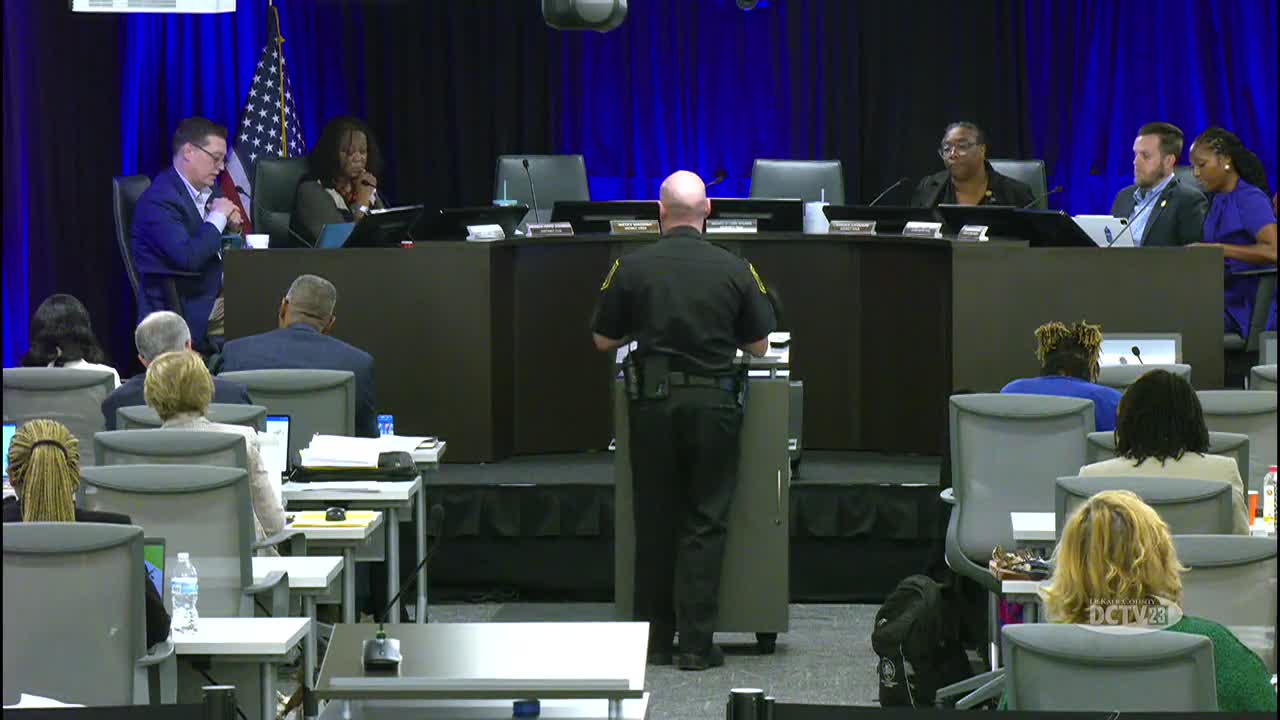
Jada Montgomery, a graduating senior and a summer intern in Commissioner Marita Davis Johnson's office, presented a "Skills First" hiring proposal to the DeKalb County IRPS committee on May 20 that urges county government to remove or de-emphasize formal four-year degree requirements for many job classifications.
Montgomery told the committee that the proposal was inspired by actions taken in other jurisdictions and by executive orders and administrative policies in at least 25 states and several cities. She said Skills First Hiring, "also known as Skills Based Hiring, is a practice of hiring or promoting employees based on the skills, knowledge, and abilities they can demonstrate, regardless of how those qualifications were acquired." She recommended training for hiring managers, re-evaluation of formal education requirements for leadership roles, and a communication plan to publicize the change to potential applicants.
Commissioner Marita Davis Johnson introduced the presentation and said she would like the committee to discuss a resolution Montgomery shared at a future IRPS meeting. Human resources director Benita Ransom (spelled Ransom in the meeting) told the committee the county already uses an equivalency clause that allows experience, training and certification to be considered when a degree is not present, and that some classifications legally require degrees (for example: attorneys, librarians and nurses). Ransom said the county's ongoing comprehensive pay and classification study will give consultants an opportunity to incorporate the Skills First framework into job-class reviews.
Montgomery cited Human Resources data from a May 20 pay book: about 6,600 county employees across roughly 750 job classifications; 320 classifications are labeled as leadership (executive, supervisory, managerial), with 85% of those leadership classifications requiring five to 10 years of experience and 74% listing a bachelor's degree. Among non-leadership classifications (about 430), Montgomery said 1% require five to 10 years of experience and 37% require at least a bachelor's degree. She argued the imbalance limits internal advancement for long-term, experienced employees without degrees.
Commissioners praised the presentation and asked HR to consider the idea as the pay-and-classification study proceeds. Commissioner Marita Davis Johnson said she had drafted a resolution and asked that it be scheduled for discussion at a later IRPS meeting. No formal vote was taken on the proposal during the session.
Why it matters: The proposal aims to expand career opportunities for county residents and long-term employees without four-year degrees and to create clearer, consistent hiring practices across county departments.
What's next: Director Ransom said HR will factor equivalency considerations into the consultant-driven pay and classification study; the committee will consider the proposed resolution at a future meeting once staff and consultants have reviewed potential implementation steps.