Get Full Government Meeting Transcripts, Videos, & Alerts Forever!
Get email alerts on the Legal Indemnification topic
No spam. Unsubscribe anytime.
Council splits on legal indemnification: payment for one legal bill approved, a larger invoice and appeal motions fail
Summary
Saratoga Springs council debated indemnifying city officials and paying several legal invoices tied to recent investigations and subpoenas; it approved some payments but rejected a $47,270.97 invoice and voted not to pursue an immediate appeal of a judge’s decision.
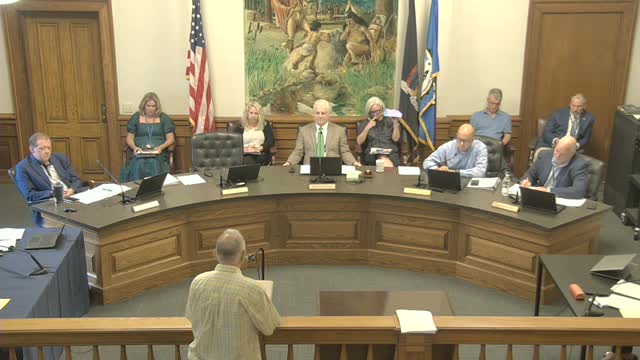
Saratoga Springs City Council spent substantial time discussing legal indemnification, counsel payments and whether to pursue an appeal of a court decision about a records subpoena. The debate followed public comments urging the council to indemnify city officials and employees who faced legal costs arising from government work.
Multiple members of the public urged the council to authorize payment of legal bills for officials who were involved in recent investigations and subpoenas. Speakers said the city code (Chapter 9) and customary indemnification principles support reimbursement so that citizens will continue to serve in city positions. Otis Maxwell and BK Karamati urged the council to approve indemnification and warned of chilling effects if volunteers and employees may be left without legal support. Other speakers framed the legal actions as politically motivated; some councillors disputed that characterisation and said the underlying complaints originated with city employees and whistleblower referrals.
On the floor, the mayor’s office brought a motion to authorize payment to Goldberg & Kremer for legal services for labor issues in the amount stated on the agenda; council members approved that payment by council vote. Separately, a motion to approve payment of an invoice (invoice number 26904-0001) to Lipsmatis (named on the agenda for legal work) in the amount of $47,270.97 was put to a vote and failed 1–3. Council discussion referenced differing legal advice, insurance/deductible considerations, and the city attorney’s guidance; some members said portions of the total billed fees had been covered pro bono by outside counsel or otherwise are not city liability.
A related motion to authorize the city to file a notification of appeal in the case Walsh v. Brandy (a judge’s ruling affecting the council’s prior authorization to hire counsel) was offered and debated; the motion did not pass (vote 1–3). Supporters of filing argued the judge’s decision misread municipal law and that an appeal or an amicus brief could protect municipal authority; opponents said prior guidance from the city attorney and other legal counsel counseled against an immediate appeal and that the council lacked unanimity.
Later in the evening, the finance director presented a use-of-assignment resolution to cover a different legal bill (Goldberg & Kremer) drawn from an existing assignment of fund balance for legal liability; that resolution passed on council vote. The council also advanced other routine vendor payments and budget actions at the same meeting.
Council members said they would seek to clarify city indemnification language (chapter 9 of the city code) and consider possible changes to ensure clarity about when the city will pay legal fees for officials and employees. Several council members asked staff and the city attorney to return with clarified policy language and to identify whether changes should follow state public officers law provisions to reduce future ambiguity.