Get Full Government Meeting Transcripts, Videos, & Alerts Forever!
Get email alerts on the Animal Control topic
No spam. Unsubscribe anytime.
Hawaii County Council bans feeding of feral animals on county property after hours of testimony
Summary
The Hawaii County Council on Wednesday approved an ordinance banning the feeding of feral or stray animals on county-owned, leased or managed property, voting 6-2 with one member absent after more than five hours of public testimony and debate.
The Hawaii County Council on Wednesday approved an ordinance banning the feeding of feral or stray animals on county-owned, leased or managed property, voting 6-2 with one member absent after more than five hours of public testimony and debate.
Supporters of Bill 51 said the measure is intended to protect public health and Hawaii’s native wildlife by reducing food sources that sustain feral animal colonies in parks, beaches and other public spaces. Opponents said the vote criminalizes compassionate community members who feed and care for homeless cats and urged more investment in trap–neuter–return (TNR) programs, sanctuaries and spay/neuter access.
Council member Kanyeli Kleinfelder, the bill’s introducer, said the ordinance is not aimed solely at cats but at “feral animals” broadly and is meant to reduce the threat to endangered species and the public in shared spaces. “This bill does not and is not centered solely on cats,” Kleinfelder said during council debate. “The county continues to fund solutions. They have. They will continue to do so.”
The measure that passed was Bill 51, draft 3, as amended on the council floor. A notable change made immediately before the final vote removed language that would have exempted “certified community cat caretakers” and allowed for an authorized community-feeding program. Corporation Counsel provided a confidential legal memorandum to the council during the meeting; councilmembers said that memo raised legal risks for the county and prompted the removal of the caretaker exemption. The details of the counsel’s privileged memorandum were discussed in executive session and were not disclosed publicly.
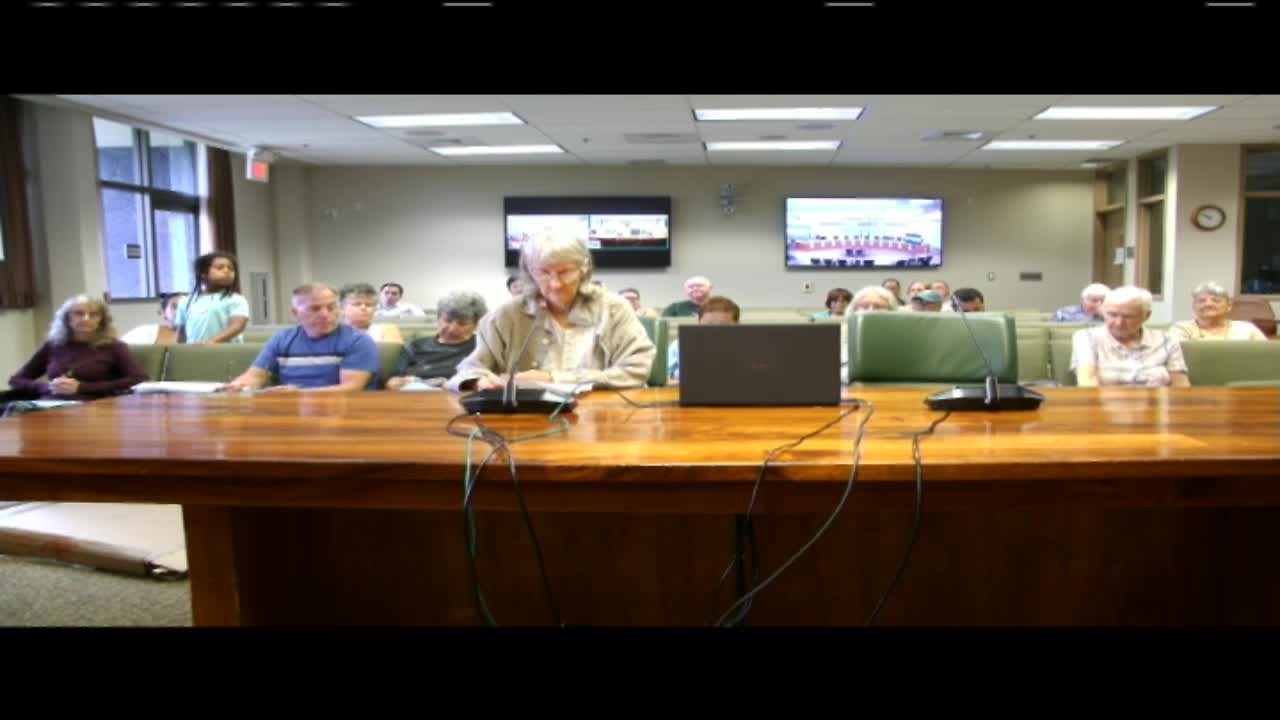
Public comment was extensive and sharply divided. Dozens of island residents, conservationists, veterinarians and animal-welfare volunteers testified. Supporters of the ban cited the role of feral animals in spreading disease and preying on native birds. “This bill is not about starving or killing animals,” said Ben Cacho Jr., a conservation outreach specialist with the American Bird Conservancy. “It’s about choosing pono, about making hard decisions to protect what’s native to this 'āina.”
Opponents urged delay and a humane, community-based approach. Dr. Kelly Smith, a veterinarian, said the proposed ordinance would criminalize “humanity, compassion and kindness” and argued that simply banning feeding would drive animals into more remote areas and not solve the underlying problems. Other testifiers urged the council to invest in TNR programs, county-supported sanctuaries and improved enforcement against abandonment.
Council debate focused on three recurring themes: whether the county has the resources and authority to enforce a feeding ban; how to protect endangered native species and public health (testifiers mentioned toxoplasmosis and impacts on nēnē and other birds); and whether the county and non‑profit partners can scale up humane population-control measures before a feeding ban takes effect. Several councilmembers said they supported the policy aim but worried that the measure would be difficult to enforce, a point made repeatedly in public testimony.
After amending the draft to remove the caretaker exemption on corporation‑counsel advice, the council approved Bill 51 on second and final reading. The final roll call produced six votes in favor and two opposed, with one council member absent. The council did not publish an immediate enforcement timeline during the meeting; an earlier amendment discussed in committee would have delayed enforcement until Jan. 1, 2026, and councilmembers acknowledged a need for signage, public education and coordination with County departments and nonprofit partners if the new rule is implemented.
The council and county administration agreed to continue conversations with community partners about spay/neuter access, sanctuaries and pilot projects intended to reduce feral populations humanely. Several councilmembers said further programmatic work and targeted funding — including for spay/neuter clinics and monitoring — will be required to meet the ordinance’s aims.
Votes at a glance - Bill 51 (amended) — Prohibits feeding feral/stray animals on county property unless authorized by county program. Motion to adopt passed on second and final reading, 6 in favor, 2 opposed, 1 absent. Moved by Council member Kanyeli Kleinfelder; seconded by Council member Villegas. (See actions[] for full vote list.) - The council also approved numerous routine resolutions and nominations during the same meeting (see docket minutes). Many passed by recorded voice vote or unanimous consent; those items were not central to today’s public-comment portion and received less public debate.
Why this matters Hawaii’s islands host many species found nowhere else on Earth. Council members and residents framed Tuesday’s debate as a conflict between longstanding community caretaking practices and the legal and ecological obligations to protect endangered native wildlife and public health in shared public spaces. The ordinance places the onus on the county and community groups to align operations, enforcement and funding to meet both welfare and conservation goals.
What’s next Bill 51 passed on second and final reading as amended. Councilmembers and county staff said they will pursue public education, signage, and coordination with animal-welfare groups, the Department of Parks and Recreation, the police and health agencies to implement the new rule. Some councilmembers indicated they will pursue targeted funding and pilot programs to expand spay/neuter access and sanctuary capacity.