Get Full Government Meeting Transcripts, Videos, & Alerts Forever!
Get email alerts on the Workforce Development topic
No spam. Unsubscribe anytime.
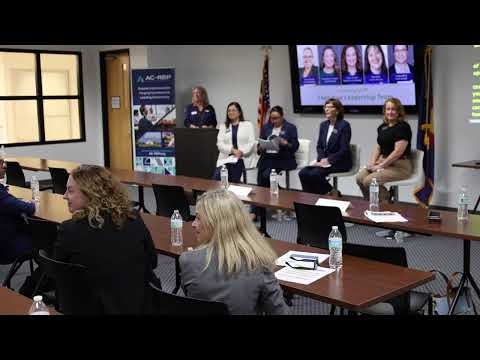
Adams County leaders, education partners push work‑based learning, cite transportation as a barrier to internships
Summary
At a business town hall, education and county representatives urged expansion of paid internships and more direct links between employers and CTE/higher‑education programs; transportation access was identified as a major obstacle.
Education leaders and county officials at an Adams County business town hall urged employers to expand paid internships and work‑based learning, while identifying transportation and cost as common barriers for businesses that want to host student interns.
"The best thing that ever happened to me, especially as a college grad, was being able to, get an internship, and it totally changed the trajectory of my career," said Dion Strode, the county manager, during discussion of work‑based learning and employer engagement. Shannon Hancock, executive director of the 5 Star Education Foundation for Adams 12, said her district has struggled to find internships locally and often must look outside Adams County to meet student needs.
University and workforce partners described programs and supports that can help. Jack Buffington of the University of Denver said his center aims to convene public and private partners to create open collaboration on workforce and supply‑chain training needs. County and ACRep representatives noted existing resources from the workforce center and community colleges and said they will convene partners to identify pilot approaches to incentivize paid internships.
Barriers and possible actions
- Transportation: Multiple speakers said that reliably moving students from school to internship sites is a frequent obstacle and needs creative solutions.
- Business capacity and cost: Some small employers find paid internships cost‑prohibitive; county and education partners said they would explore incentives and program structures (for example, scholarship or stipend models) that reduce employer cost while preserving student experience.
- Convening role: County commissioners and ACRep called for joint convenings of employers, CTE programs, community colleges and workforce agencies to pilot internship programs and to make use of existing training and navigation resources.
No formal commitments of new county funding were announced; speakers said the county and partners will continue to explore structured pilot approaches and better information flows between employers and schools.