Get Full Government Meeting Transcripts, Videos, & Alerts Forever!
Get email alerts on the Police Discipline topic
No spam. Unsubscribe anytime.
Council hearing spotlights tension over police commissionerauthority after trial-room findings overturned
Summary
City council members pressed NYPD officials over the police commissioner—s power to reverse internal trial-room findings and civilian oversight recommendations after a high‑profile case in which two independent bodies found misconduct.
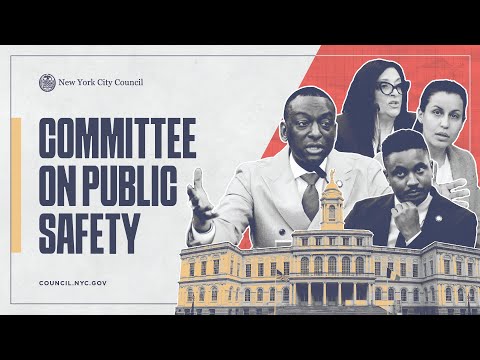
The New York City Council Committee on Public Safety questioned NYPD leaders on the department—s disciplinary process and the police commissioner—s authority after internal and civilian reviewers recommended termination in a high‑profile use‑of‑force case.
Council members and the public advocate said the commissioner—s ability to overturn findings by the department—s deputy commissioner of trials and the Civilian Complaint Review Board (CCRB) threatens public trust. Deputy department officials defended the commissioner—s legal role and described a case‑by‑case review of the record.
The dispute centers on the department—s charter authority and one case in which a trial judge and the CCRB recommended firing an officer for conduct the judge described as rising to an assault felony. "The police commissioner has plenary authority over discipline," the deputy commissioner told the committee. "She is responsible for discipline in the department. And ultimately, when it comes to disciplinary matters, she is the decider." Council members including Diana Caban and Public Advocate Jumaane Williams pressed whether that authority should be absolute when it conflicts with findings by independent or departmental trial officers.
The CCRB and several council members said the effect of the commissioner—s discretion has been to nullify otherwise substantiated misconduct findings. "When we have to go back to our communities and say, trust the process, because no matter what you say, the process absolutely did not work in this case," Public Advocate Williams told the panel.
NYPD witnesses described the legal and practical basis for the commissioner's role: the department—s chain of command, the discipline matrix that guides penalties, and a record review that, they said, explains departures from subordinate rulings. The deputy commissioner said the department makes rare departures from the matrix and that such departures are posted and explained on the NYPD website.
Council members sought data showing how often the department departs from CCRB recommendations and how those departures are justified. The deputy commissioner said the department relies on the CCRB—s published data for concurrence rates and, taking certain short‑statute‑of‑limitations cases out of the accounting, said the concurrence rate in 2025 was about 91 percent. He also said concurrence varies by case type: roughly 95 percent for non‑APU cases and about 71 percent for charges and specifications (APU) cases.
Members repeatedly pressed whether the commissioner should have "unfettered discretion" to overturn two independent oversight bodies. Witnesses replied that the charter vests final authority in the commissioner and argued that the commissioner—s written decisions engage with the trial record and explain the legal reasoning for any departure.
Ending: The committee did not vote on any change at the hearing. Council members indicated they would follow up with requests for documentation: the commissioner—s decision letters, the NYPD—s explanations when it departs from CCRB recommendations, and data underlying the concurrence rates. Several council members signaled support for legislative or charter changes to alter how disciplinary authority is allocated if the department cannot demonstrate consistent deference to independent findings.