Get Full Government Meeting Transcripts, Videos, & Alerts Forever!
Get email alerts on the Transit Zone Rtz topic
No spam. Unsubscribe anytime.
Coral Gables presses county on University Station RTZ as county sponsor offers changes and a deferral
Summary
Coral Gables commissioners and residents pressed Miami‑Dade County’s plan to include the Mark property at 1250 South Dixie Highway in a Rapid Transit Zone subzone, prompting County Commissioner Raquel Regalado to offer municipal protections and defer county action to Sept. 3.
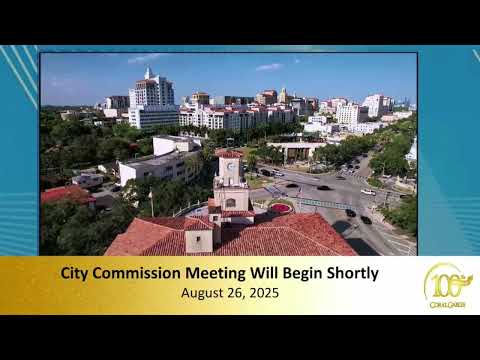
Coral Gables commissioners spent a large portion of their Aug. 26 meeting confronting plans by Miami‑Dade County to add the property at 1250 South Dixie Highway — the Mark site — to a Rapid Transit Zone (RTZ) subzone called Coral Gables University Station.
The county item would change the development pathway for that and nearby parcels, removing some local controls and permitting taller, denser projects under county rules. County Commissioner Raquel Regalado, who introduced the RTZ measure at the county, told the Coral Gables commission she has been negotiating terms intended to give municipalities more input and protections and said she would amend the county proposal ahead of its next county reading. Regalado said she deferred county action on the Mark property until Sept. 3 to allow those changes and more local discussion.
Why it matters
The dispute centers on the difference between the city’s zoning and the RTZ/Live Local regime. Under Coral Gables’ existing zoning for that corridor, the Mark site would allow roughly six stories and a defined setback regime; under the RTZ the county process can permit buildings up to 150 feet with fewer municipal controls, changing allowable use, signage and setbacks. City officials and residents argued at length that the RTZ route would lead to projects larger than neighbors expect and would remove the city’s normal review tools.
What county commissioner said
County Commissioner Raquel Regalado told the commission she does not oppose reducing project bulk: her draft RTZ item would, she said, include chapter 33-type provisions and an interlocal option to give the city a formal seat at review. Regalado said the proposal she presented to the county is smaller in scale than some developer concepts and that she will amend the item to include measures such as lighting, signage, open‑space expectations and a 100‑foot buffer for above‑ground structures near single‑family housing. She said the Mark parcel is unique in the RTZ program and that she is seeking to create protections not available under the county’s default process.
City response
Coral Gables commissioners and staff pressed Regalado on process and notice. Several commissioners said city staff and commissioners had been briefed multiple times over months and that the city had prepared an overlay to address scale and compatibility in the corridor; others said the public had few effective opportunities to shape the county process. The city manager and planning staff described work on an overlay and on impact fee routing that could be used to offer the county negotiated protections, and the commission discussed options for working with the county and property owners.
Public comment and neighborhood reaction
Neighbors and resident groups turned out for public comment. Speakers asked the commission to use all available tools — an overlay, interlocal agreements, and the county chapter 33 mechanics — to hold project scale and to ensure pedestrian safety and stormwater protections on the corridor. Some residents said they felt the county process gave too little time for the affected community to review proposals that will change the corridor’s character.
Related city action
At the Aug. 26 meeting the commission voted on a city resolution (file F‑27) regarding the county RTZ, approving a language that asks Miami‑Dade to incorporate Coral Gables’ suggested protections. Vice Mayor Anderson, Commissioner Castro, Commissioner Lara and Mayor Vince Lago voted yes on the city’s F‑27 resolution.
What can happen next
Regalado said she will amend the county item before it returns to the county commission and had already agreed to defer the county hearing on the Mark parcel until Sept. 3. If the county moves the property through the RTZ process without an interlocal, the city would have limited regulatory control and would need to rely on negotiated conditions in the RTZ or pursue other remedies. City staff said they will continue to pursue an overlay/interlocal strategy and to negotiate with the county and with property owners.
Why the debate is technical — and legal
The conflict reflects a broader tension in Florida planning between local zoning controls and state laws that enable county‑level RTZ or “Live Local” preemption. Coral Gables staff and commissioners repeatedly said they preferred to preserve municipal review tools and negotiate an interlocal framework; Regalado said the county’s RTZ vehicle can be altered to include chapter‑33 style participation if municipalities engage in the process.
Looking ahead
Regalado set Sept. 3 as the next county deadline for the Mark property. Coral Gables commissioners said they would continue overlay work and encouraged residents to follow county committee dates for public testimony. For now, expected next steps are: (1) the county will consider amended RTZ language in committee and at the Board of County Commissioners’ agenda; (2) Coral Gables staff will continue to refine an overlay and interlocal approach; (3) property owners may continue to seek RTZ or Live Local paths if they determine that is faster or more predictable than local approvals.
Ending
The Coral Gables versus county RTZ debate underscores the limits of municipal control when state and county zoning vehicles are available. The commission’s next formal actions will be shaped by the county’s Sept. 3 schedule and by continued local negotiations the commission says it prefers to pursue before any county action goes final.