Get Full Government Meeting Transcripts, Videos, & Alerts Forever!
Get email alerts on the Utilities Sewer Assessments topic
No spam. Unsubscribe anytime.
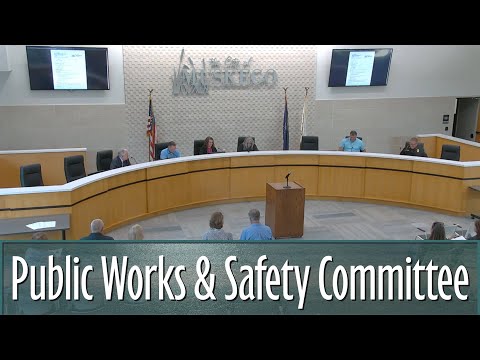
Public works committee denies Warrior Wash appeal of sewer capacity assessment
Summary
The Muskego City Public Works and Safety Committee on July 21 voted unanimously to deny an appeal from Warrior Wash LLC challenging a retroactive sewer capacity (REC) assessment and referred the matter to the common council/finance for review and any further legal steps.
The Muskego City Public Works and Safety Committee on July 21 voted to deny an appeal from Warrior Wash LLC challenging a retroactive residential-equivalent-connection (REC) assessment and referred the matter to the common council and finance committee for further review.
Attorney Lisa Wood of Amundson Davis, representing Warrior Wash LLC, told the committee the city lacked authority to “back charge” the assessment after staff discovered, during an audit, that invoices were not issued at the time the charges should have been levied. Wood said the parties discussed a compromise — averaging four quarters of historic usage to recalculate RECs — and that the approach produced a proposed assessment of $63,600. “We don’t think the city has the authority to back charge assessments,” Wood said, and asked the committee to consider the compromise she described.
City staff and the mayor responded that the REC assessment is a capacity charge tied to a property’s historic peak discharge and not a monthly usage fee. The mayor described the charge as “a fee for capacity,” saying the city’s ordinance charges for the property’s highest capacity even if usage later declines. City staff said the methodology used to calculate the REC for Warrior Wash was the same applied to other car washes and businesses in Muskego.
Public Works staff noted prior precedent: a 2018 challenge that, after review by the Public Service Commission under state statute, found the city had filed its ordinance and had followed it in charging direct REC assessments. Staff told the committee letters had been sent under a November resolution that authorized staff to collect assessments arising from the audit. The committee’s staff memo recommended following the ordinance and treating the property consistently with others.
The committee’s motion to deny the appeal passed unanimously; committee members directed the applicant to pursue an appeal to common council/finance if they wished to continue the matter. The committee also advised the owner that finance and council could consider payment-term options, but staff said any negotiation of the assessed amount would have to come from a political or legal process beyond the committee’s appeal-review authority.
The owner and counsel said the assessed amount could threaten the business and noted three new car washes had opened nearby and that Warrior Wash’s revenues were down about 30% since the property changed ownership. They asked the city to consider the business impact and the parties’ prior discussions about averaging usage for the REC calculation; city staff said no final agreement had been reached in those meetings and recommended following the ordinance.
The committee’s denial formally moves the dispute to the next stage; the committee record shows the motion passed unanimously and that the city attorney will be involved in any further legal proceedings or claims the business files.
No formal settlement was adopted at the meeting; the committee’s action was a recommendation denying the appeal and referring the matter onward.