Get Full Government Meeting Transcripts, Videos, & Alerts Forever!
Get email alerts on the Public Safety Security Contracts topic
No spam. Unsubscribe anytime.
Supervisors discuss longer-term security contract amid questions about private-guard role and risk
Summary
The Board of Supervisors discussed a proposed multi-year extension of the county's contract with a private security firm for transports and in-hospital "standby" services, with supervisors pressing sheriff's office officials on risk assessment, incident history and the justification for a four-year term.
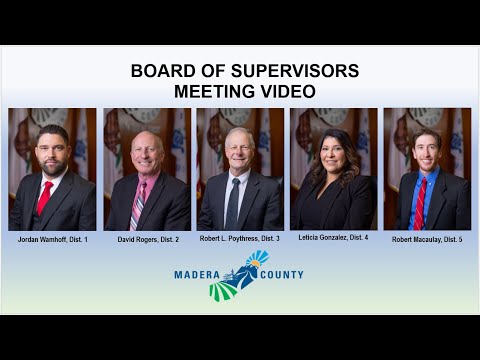
MADERA COUNTY, Calif. ' The Board of Supervisors on Aug. 5 considered a contract extension that would keep a private security provider on call for transport and hospital-standby duties for the county jail, prompting questions from supervisors about risk, oversight and contract length.
Supervisors questioned how often contracted guards are used for transports and in-hospital supervision, and whether the county can and should accept the liability that comes with assigning non-sworn personnel to duties that can involve custody, medical events, or use-of-force risks. Assistant Sheriff Rob Lem and other sheriff's office representatives described a case-by-case review process and said the department avoids assigning the vendor in high-risk matters such as homicide suspects. They told the board the vendor is used frequently for routine hospital stays and lower-risk transports because jail staffing is constrained.
The sheriff's office said the vendor has not been the source of escapes or in-custody deaths in the county and that the medical setting itself typically reduces the risk of custodial death because of access to clinical care. Staff also said providers are sometimes used for long-term, around-the-clock assignments when inmates remain hospitalized for extended periods.
Supervisors pressed on why the recommended extension runs four years when other county security contracts have been substantially shorter, and whether longer terms carry escalator clauses. Staff responded that the vendor in question (DSS Security per the department presentation) has been relied on regionally and that a multi-year term produced a more favorable rate; the contract contains a modest hourly escalator beginning in the second year.
Board discussion focused on balancing cost-efficiency and jail staffing limitations against the outsized legal and reputational exposure from any serious incident involving non-sworn contract staff. No independent incident report or settlement history was cited during the discussion beyond staff saying they had not experienced escapes or custodial deaths involving the vendor.
The item was part of the consent calendar and, after the discussion and questions from supervisors, the consent calendar passed on a 5-0 roll call.
Why it matters: Counties are legally responsible for the health and safety of incarcerated people; outsourcing some duties can ease staffing pressures but raises questions about training, supervision, and liability. Supervisors asked for clearer standards about when contracted guards are used, and whether shorter contract terms should be the default.
What's next: Supervisors requested clarifications about risk-acceptance criteria and the contract's escalator schedule; county staff explained those follow-up details will be available through the sheriff's office and procurement files.