Get Full Government Meeting Transcripts, Videos, & Alerts Forever!
Get email alerts on the Port And Maritime topic
No spam. Unsubscribe anytime.
WICO projects passenger rebound, seeks investments to expand berthing capacity and address pilot liability
Summary
Interim CEO Charlene Turnbull told the Senate Finance Committee WICO projects a return toward pre‑pandemic passenger levels in FY2026, but the company remains under pressure from larger ship sizes, debt service and a pilot fee obligation; WICO seeks coordinated investment in dredging, infrastructure and development of underused property.
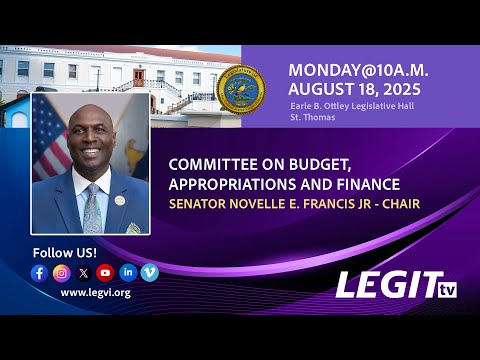
Interim CEO Charlene Turnbull told the Senate Committee on Finance on Aug. 18 that the West Indian Company Limited (WICO) projects passenger traffic and ship calls to rebound in fiscal 2026 but warned that long-term trends — larger vessels, competition from private‑island investments, and deferred infrastructure work — will require additional capital investment to preserve the territory’s competitive position.
Turnbull said WICO projects a 20% passenger increase in fiscal 2026, to roughly 1.1–1.2 million passengers, driven by stronger book‑ins from cruise lines and targeted efforts to attract boutique and international itineraries. For fiscal 2025, Turnbull said WICO projected 954,000 passengers, down slightly from 2024 because of some ship maintenance cancellations.
Why it matters: WICO operates the principal downtown Saint Thomas cruise dock; its ability to berth modern cruise ships and to channel passenger spend into local businesses affects island employment and tourism revenues.
Turnbull summarized WICO’s recent history: cruise traffic fell sharply after hurricanes Irma and Maria and during COVID‑19 restrictions; she estimated aggregate passenger-revenue losses from those events at about $20 million. WICO earns the majority of its revenue from passenger and marine fees (roughly 85% of total revenue) and the rest from rentals such as warehouses and land. The company said it hosted about 60% of the territory’s cruise passengers in recent years.
The hearing turned to operational constraints. WICO and its witnesses told senators the company’s greatest near‑term needs include improving dock infrastructure, addressing a long-standing pilot‑fee liability that has grown as traffic and fiscal conditions changed, and completing dredging and other harbor work (a Port Authority–led project). Turnbull described the “pilot conundrum” as a liability that in prior high-traffic years had been manageable but that now exceeds available revenues; finance chair Hugo Hodge told the committee WICO’s cumulative pilot liability was about $11 million including amounts through 2025.
WICO discussed debt service tied to a 2022 revenue bond issuance that the public‑finance authority issued for WICO projects. Hugo Hodge said annual debt service runs about $3.3 million and the bond principal outstanding at issuance was about $52.6 million. Turnbull said WICO expects insurance (property) costs of about $1.4 million in 2026 and that WICO plans to fill currently vacant staff positions.
Turnbull and WICO staff also outlined prospective asset strategies: renegotiating berth agreements, pursuing additional itineraries (including boutique ships and international calls), and developing a 7‑acre Liverpool property near the downtown harbor. She said the company is pursuing potential investors for Liverpool and expects full occupancy of rental spaces early in FY2026.
Senators pressed for more detailed financial schedules and transparency. Committee members said the post‑audit materials provided to the committee lacked several requested line‑item details (payroll breakdowns, per‑diem totals for board members, vendor liabilities, and precise monthly utility and operating actuals). Turnbull and WICO finance chair Hugo Hodge promised to supply more complete documentation and asked for another follow‑up hearing for the committee to review financial schedules and to discuss pilot and debt solutions.
Ending: The committee accepted WICO’s invitation to return when the company provides the requested financial details. Senators emphasized any long‑term solution for the pilot liability and dredging should be coordinated with the Port Authority and other stakeholders to ensure continued access to larger cruise vessels and to protect local economic benefits from cruise tourism.