
Mississippi education chief says chronic absenteeism rose statewide; MDE to release statewide report and pursue department changes
Get AI-powered insights, summaries, and transcripts
Subscribe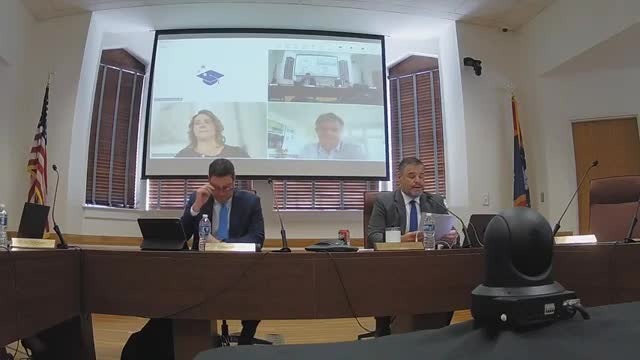
Summary
Dr. Evans told the State Board of Education that Mississippi saw an uptick in chronic absenteeism in 2024–25, concentrated in high schools, and that the department will release a statewide chronic-absenteeism report and pursue an expanded staff and structural plan to address it.
Dr. Evans told the State Board of Education on Oct. 16 that the Mississippi Department of Education will release a statewide chronic-absenteeism report later that day showing an increase for the 2024–25 school year, with the largest increases occurring in high schools.
The superintendent said the report includes state- and district-level rates and that staff led by Miss Clemons and Dr. Marshall already have an in-depth plan to address absenteeism. The plan, he said, will request increased personnel and a departmental reorganization focused on chronic-absence reduction and success-to-graduation strategies.
The board heard that the department’s review drills down to detailed metrics — including day-of-week patterns and end-of-semester effects — and that the department will provide the plan to legislative leaders, including the lieutenant governor and House and Senate education committees. Dr. Evans said the department will present both where Mississippi has improved over the last decade and where it still needs targeted work on student outcomes, chronic absenteeism, turnaround support for low-rated schools and workforce development for teachers and leaders.
Board members asked for clarification about media reports and whether the department had released “teasers.” Dr. Evans responded that the media’s attention reflects the topic’s importance and reiterated that the state will focus on Mississippi’s specific data. He said chronic-absence increases contrasted with decreases at elementary and middle grades in many areas, and he described the department’s intention to perform root-cause analyses before implementing interventions.
During discussion, board members pressed for clarity about reporting rules that affect chronic-absence calculations. Dr. Evans and other staff explained that districts’ reporting choices can affect the measure: the state’s chronic-absence definition is stringent (a student not present for a threshold proportion of the day is counted as absent), and school‑sponsored activities (for example, athletic participation) can still be recorded as absences depending on local reporting. Board members were told the department is working to formalize reporting guidance for districts.
Dr. Evans also summarized recent legislative outreach: the department presented to the Senate education committee during two days of hearings and is arranging House education briefings to share data and plans in advance of the legislative session. He said the department intends to “control the narrative” through careful communications to districts, school boards and the public because new accountability cut scores and methodology changes may reduce counts of A and B ratings in some places.
The superintendent additionally described related department work — statewide standard-setting meetings, a student advisory council convening, revisions prompted by a GLIMPSE data review, and strategic-planning focus groups — and said the new summative ratings will be implemented at the end of the current school year and will affect students assessed this year.
Board members and presenters emphasized the need for clear communications to districts and local boards about expectation changes and the department’s role supporting local reporting and attendance practices.