Get Full Government Meeting Transcripts, Videos, & Alerts Forever!
Get email alerts on the School Budget topic
No spam. Unsubscribe anytime.
Vicksburg Warren School District presents $103.8 million proposed budget; warns millage limit could force adjustments
Summary
District finance staff presented a proposed FY2026 budget of $103,825,000 and a projected ending fund balance of about $25.77 million, outlined capital projects and per‑student allocations, and said final revenue from ad valorem millage depends on mid‑July county assessments.
Vicksburg Warren School District finance staff presented a proposed fiscal year 2026 budget totaling $103,825,000 at a public hearing Thursday, June 26, 2025, telling the Board of Trustees the plan balances projected revenues and expenditures but depends on county millage decisions.
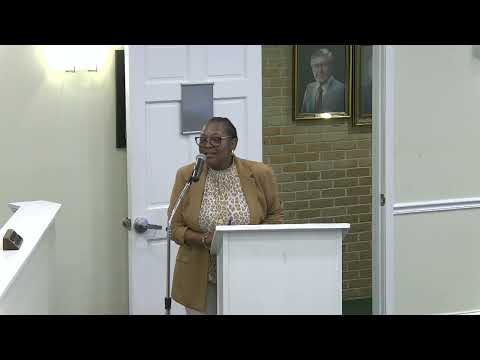
The budget hearing, opened by board leadership, was led by Miss Hughes, the district finance presenter. Hughes told attendees the district expects a June 30, 2026, fund balance of about $25,771,876 and described a revenue mix that includes local ad valorem taxes, state formula funding, and federal program dollars. “A budget is a working document. We are able to make changes to that budget as we go,” Hughes said.
The presentation outlined enrollment, staffing, revenue sources and planned projects. District enrollment declined by about 300 students from 2024 to 2025 to 6,507 students; the district reported roughly 583 teachers and professional staff, 151 instructional assistants, 34 building administrators and about 336 staff with advanced degrees. The district said the high school population is approximately 1,969 students and noted a 2024 graduation rate of 92.9 percent.
Why it matters: the district will rely heavily on local ad valorem revenue to meet the proposed spending level and said it cannot request more than 55 mills without a voter referendum. If assessed property values are lower than projected, one mill would generate about $693,000 under the district’s calculations; 55 mills would generate roughly $35,000,231 based on a net assessed value the district provided. Final assessed values and the mill rate will be set by the Warren County tax assessor and Board of Supervisors in mid‑July, and the district said it may need to adjust the budget if the county figures differ from current estimates.
Key budget details and programs
- Projected revenues and fund balance: The district projects $103,825,000 in total revenue for FY2026 and an estimated fund balance of $25,771,876 on June 30, 2026. Hughes said the projection is subject to change.
- Major revenue sources: The presentation estimated roughly $43,682,000 in state revenue (mostly from the Mississippi student funding formula), local ad valorem revenue (the largest local source), and federal funds such as Title I, IDEA, child nutrition and CTE/Carl Perkins. The district reported about $430,000 expected from sixteenth‑section land and roughly $6,467,495 in restricted funds that cover bond interest and principal. Casino revenues were described as part of local revenue and estimated at about $700,000 annually.
- Expenditures: The district identified about $45,000,000 in instructional expenditures and about $40,648,000 in support and non‑instructional expenditures (including child nutrition). Debt service was estimated at approximately $6,468,000. The district said $5,700,000 in the budget relates to district‑level debt and that $3,000,000 of debt is not financed by bonds and is paid from operating revenue.
- School allocations and per‑student amounts: Hughes said schools received $45 per student for instructional supplies, $5 per student for nursing allocations at each school (noting nurses may serve multiple sites), and $1,000 per kindergarten classroom. Principals and directors retain authority over their allocations except for salary and benefits codes.
- Capital and facilities projects: Proposed FY2026 projects include upgrades to softball/athletic fields at Vicksburg High School and Warren Central High School (lighting, field prep, possible seating), covered walkways/awnings at several schools, and paving projects at Warren Central High School and Bovina.
Policy, formula changes and local responsibility
Hughes and board members discussed changes in state funding. The district said the state shifted from MAEP (Minimum Adequate Education Program) to the Mississippi student funding formula (MSFF), a change the district said increased its state allocation from about $35 million to about $43 million but also raised the expected local contribution. The district said that restructuring effectively increases pressure to maximize local ad valorem revenue; the district estimated the MSFF change equated to approximately $4,100,000 for its budget.
Other fiscal matters raised
- ESSER phase‑out: The district noted it no longer has access to ESSER pandemic relief funds (last allowable expenditure date Sept. 30, 2024), which had previously supplemented nurses, social‑emotional staff and after‑school programming.
- Administrative costs: The district reported administrative costs at about 2 percent of its budget, below the 4 percent benchmark discussed by state officials; the district said a lower administrative rate increases the district’s allowable indirect cost claim on federal programs.
- Career and technical education: The district said it coordinates Hinds Community College participation for students in River City Early College and CTE programs; tuition and related college costs are budgeted and fluctuate, and the district estimated about $370,000 annually for River City Early College student tuition to Hinds. The district also reported a Carl Perkins reimbursement of roughly $46,000 for equipment.
Next steps and process timeline
Hughes explained procedural steps if the board approves a shortfall request: the district will open bids for a shortfall note in July, then return at a regular board meeting to approve the ad valorem request and the combined budget for FY2026. The superintendent and finance staff plan to present the district’s ad valorem request to the Warren County Board of Supervisors in August. The board voted to approve the meeting agenda at the start of the hearing and later moved to adjourn; no final adoption of the FY2026 budget was recorded at the hearing.
Ending
Board members and staff emphasized the budget’s sensitivity to mid‑July assessed values and said additional meetings and a formal ad valorem request to the Warren County Board of Supervisors will follow. The district encouraged public participation at the scheduled special and regular meetings where final budget and millage requests will be considered.