Get Full Government Meeting Transcripts, Videos, & Alerts Forever!
Get email alerts on the Meeting Procedure topic
No spam. Unsubscribe anytime.
Cape Coral council rejects adding separate pre-consent public‑comment period
Summary
After more than an hour of debate, the City Council voted 5–3 against amending meeting procedures to add a 30‑minute citizens‑input block before the consent agenda. Councilmembers argued about access for working residents, staff time and fairness; supporters said the change would restore a chance to speak on consent items.
The Cape Coral City Council rejected a proposal to add a 30‑minute citizens‑input period before the consent agenda, voting 5–3 on July 23. The measure would have amended council procedures to allow residents to speak specifically about items slated for the consent agenda before the council voted on those items.
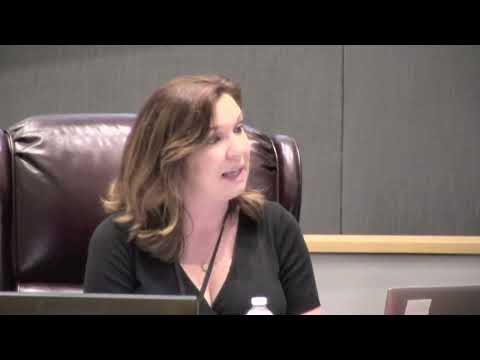
Councilmember Kaduk, who brought the topic forward, said moving citizens input to the end of the meeting had created practical barriers for working residents. "When we moved it to the end of the agenda...we also then moved the start time to 4 p.m., which meant citizens’ input might not begin until around 6 p.m.," Kaduk said during the discussion. She and other supporters argued an early block would help people who cannot stay for long meetings and would allow public comment on consent items.
Opponents said the city’s current arrangements — comment cards, the ability to pull items from consent and post‑meeting electronic comments — already protect public input while keeping staff and consultants from waiting on the clock. Councilmember Steinke said having public comment after staff presentations “has answered a lot of questions” and reduces the risk of comments being made before factual information is available. Councilmember Donnell argued the council had previously deliberated and changed the agenda procedure and should not repeatedly reopen it.
A motion to amend council rules and add a 30‑minute pre‑consent citizens‑input period was made and seconded. The roll call on that motion recorded three ayes (Kaduk, Lastra, Lehman) and five nays (Steinke, Donnell, Gunter, Kilrain, Long). The motion failed.
The council returned to existing practice for the meeting cycle: the single citizens‑input block remains at the end of the agenda, and the city will continue to accept e‑comments and contact via comment cards collected by the city clerk. Several council members said they will track whether the change affects public participation and could re‑examine the rule later if warranted.
Supporters of the amendment emphasized access for residents who work across the bridge, and opponents emphasized fairness, orderly hearings and the burden on staff and consultants who attend meetings for formal business. The council did not adopt any other procedural changes during the session.
The debate preceded a broad evening agenda that included multiple preliminary assessments and budget actions and a separate vote to authorize the city manager to proceed with a new emergency operations center site near City Hall.