Get Full Government Meeting Transcripts, Videos, & Alerts Forever!
Get email alerts on the Teacher Staffing topic
No spam. Unsubscribe anytime.
Connecticut education leaders report teacher vacancies easing overall but special education staffing remains strained
Summary
Department officials and superintendents said overall teacher vacancies at the start of the school year declined from a year earlier, helped by enhanced reciprocity and alternative certification pathways, but special education paraprofessional shortages persist and remain a pressing district concern.
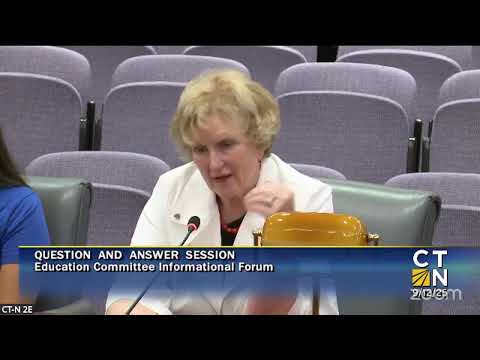
State education officials and district representatives told legislators that the overall number of teaching vacancies at the start of the school year declined compared with last year, but staffing shortages persist, especially among special education paraprofessionals and related support roles.
“Those numbers are lower from February, and they're also lower from last August,” a department official said when explaining the twice‑annual vacancy collection. “The place that still remains a challenge is special education…especially with special education paraprofessionals.”
Officials credited expanded reciprocity agreements and alternative certification pathways — including an increase in educators entering Connecticut via reciprocity and the registered teacher apprenticeship program — with adding roughly 1,476 new educators in 196 districts and approved private special education programs since the state expanded reciprocity post‑pandemic.
The department cautioned that special education caseloads have increased (the presentation referenced about 94,000 students identified for special education, approximately 18% of the student population), which raises demand for paraeducators even as districts recruit. Superintendent and association witnesses said districts are cautious about adding positions because of federal funding uncertainty, and noted long‑term substitutes and certified hires vary by district and assignment.
Legislators pressed for data on long‑term substitute usage versus certified hires; department staff said they collect vacancy numbers in August and February and will provide more granular staffing reports. Panelists urged continuing investment in alternative pipelines, recruitment incentives and retention strategies to stabilize staffing in high‑need roles.