Get Full Government Meeting Transcripts, Videos, & Alerts Forever!
Get email alerts on the School Meals Snap topic
No spam. Unsubscribe anytime.
Department warns SNAP and Medicaid policy changes could reduce direct certification for free school meals
Summary
State school nutrition officials said federal SNAP and Medicaid eligibility changes and new work requirements could reduce direct certification for free meals and make some districts ineligible for the Community Eligibility Provision (CEP), though students retain current eligibility for the first 30 days of school.
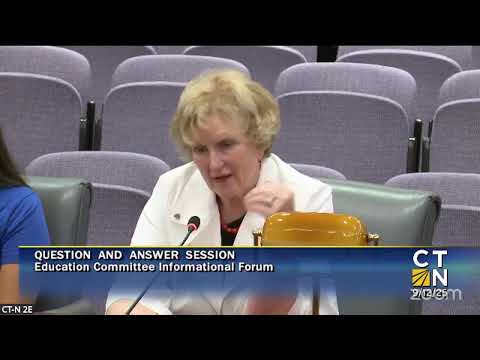
Connecticut school nutrition officials told the Education Committee that federal changes to SNAP and Medicaid eligibility could reduce the number of students automatically certified for free school meals through direct certification, increasing paperwork for districts and risking loss of district‑ or school‑level eligibility under the Community Eligibility Provision (CEP).
John Fasanelli, who presented on federal reimbursements for school meals, told legislators the state reimburses districts for breakfasts and lunches and runs incentive and food distribution programs that encourage local purchases. He said the state and USDA reimbursements are continuing for now, and there were no announced policy changes to federal meal reimbursements at the time of the forum.
“Those students, if they were eligible for free, continue to be free. Pending these changes and the implementation of these changes, we do expect them to impact our direct certification process,” Fasanelli said, referring to SNAP and Husky A (Connecticut Medicaid) changes that took effect in July and modifications to work requirements.
Under current federal rules, the department noted, a school or district can qualify for CEP when 25% of students meet eligibility criteria (direct certification, income eligibility, homelessness, foster care); if direct certification totals decline below that threshold a district or school could lose CEP and the citywide or school‑level free meal access it provides. Department officials said students who are eligible through direct certification retain that status for the first 30 days of the school year, after which districts must process household income applications where needed.
Department staff said the state administered almost $391 million in federal funds for programs such as Adult Basic Education, IDEA and McKinney‑Vento for FY2025 and that the summer EBT program has issued “over $38,000,000 to over 315,000 students in Connecticut,” according to testimony.
Multiple legislators pressed officials on what would happen to districts heavily dependent on CEP if direct certification declines; officials said there would be no immediate operational change for the first 30 days of school but warned that districts could need to make outreach and paperwork drives to maintain eligibility and that the burden of processing applications falls on districts and families.