Get Full Government Meeting Transcripts, Videos, & Alerts Forever!
Get email alerts on the Opioid Settlement Medical Examiner topic
No spam. Unsubscribe anytime.
DeKalb medical examiner seeks opioid settlement funds for fellowship, toxicology and outreach
Summary
The DeKalb County medical examiner presented a request to the Finance, Audit and Budget Committee for roughly $380,000 in opioid settlement funds to support a forensic fellowship, expanded toxicology panels and two staff positions including an investigator and a social worker. Committee members voiced support and asked for follow-up details.
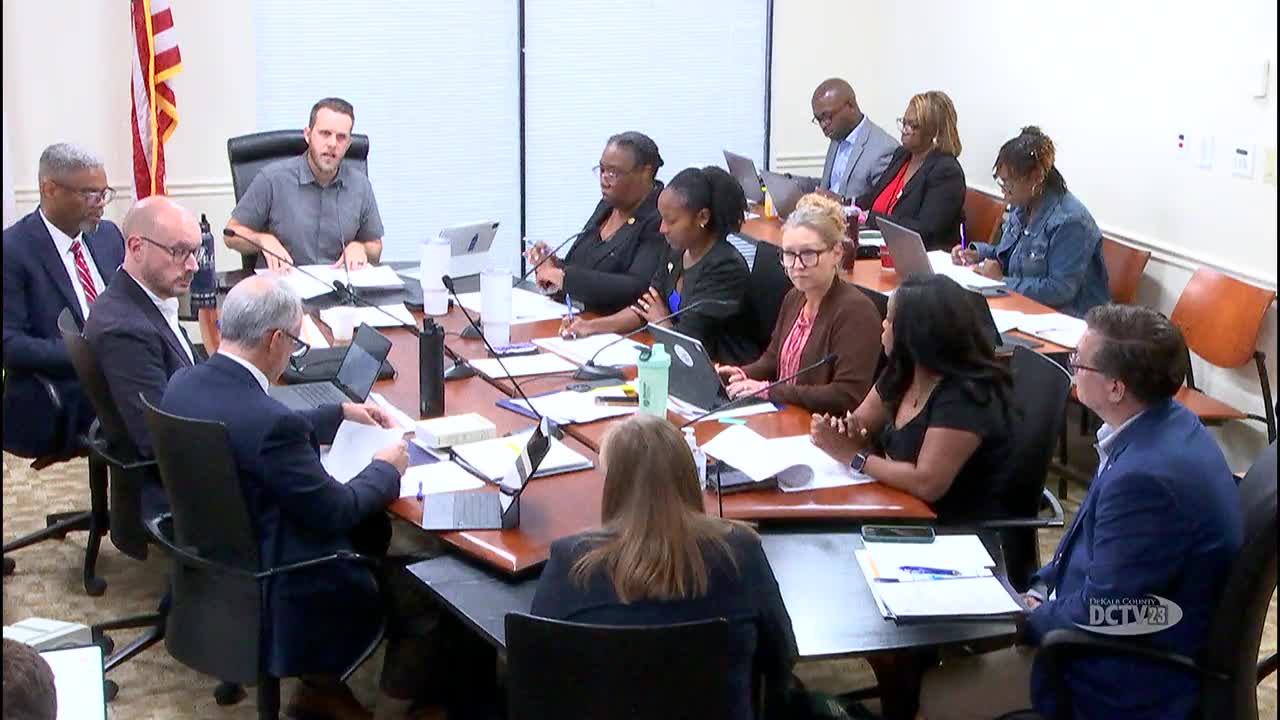
The DeKalb County medical examiner briefed the Finance, Audit and Budget Committee on a proposed use of opioid settlement funds that would expand the office’s investigative and forensic capacity. Director Marita Loveless outlined a package that she said would improve case processing and support community outreach.
"The salary for that position is $150,000 all inclusive," Director Loveless said of the planned fellowship position, referring to a forensic fellowship secured with Morehouse School of Medicine. She told the committee the fellow would handle an estimated 200 examinations a year under supervision and that the county’s office already has one fellow starting July 1 under an accelerated accreditation process performed with Morehouse.
Loveless outlined several potential uses for roughly $380,000 in opioid settlement funds, including: - a fellowship salary and associated training and travel ($150,000), - expanded toxicology panels to detect emerging or novel substances (panels can cost more than $400 each for comprehensive testing), - an additional death investigator to respond to rising caseloads, and - a proposal to pilot a social worker position to improve family liaison work and post‑death services.
Committee members commended the office for using the funds to build long-term capacity. Commissioner Michelle Long Spears said the fellowship and partnerships with an HBCU were especially noteworthy; Loveless described the Morehouse connection as the first forensic fellowship program tied to an HBCU and said it could help expand the national forensic workforce.
Loveless provided data showing the county’s drug-related deaths and casework have risen sharply even as the county population grew modestly: she said caseloads increased about 30% from 2015–2024 while drug-related deaths rose roughly 116% over the same period. That trend, Loveless said, was driven in large part by fentanyl and other novel substances.
Committee members asked for follow-up cost detail and implementation plans but expressed general support for the proposed uses of settlement funds. No formal committee vote on this specific opioid-funding request was taken during the meeting; the medical examiner’s proposal will be handled through the budget process and potential opioid settlement spending plans.