Get Full Government Meeting Transcripts, Videos, & Alerts Forever!
Get email alerts on the Transit Authority Mou topic
No spam. Unsubscribe anytime.
MTC releases timeline and draft MOU for new regional transit authority after state law enables sales‑tax referendum
Summary
Committee heard an informational briefing on HB 948 (Session Law 2025) enabling a local 1¢ sales‑tax referendum and the establishment of a metropolitan public transit authority; members discussed trustee appointment timing, application windows, and local appointment authority responsibilities.
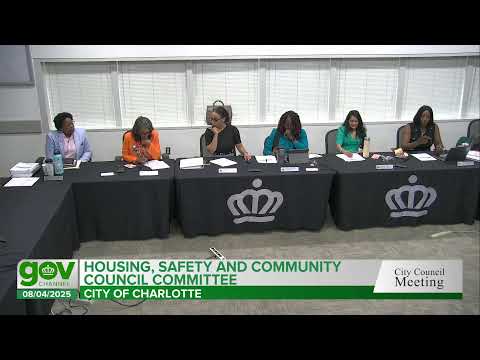
City staff briefed the Transportation Planning & Development Committee on Aug. 4 about state legislation (session law enacted July 1, 2025) that authorizes a referendum on a 1¢ regional sales tax and creates a metropolitan public transit authority (MPTA). Committee members were shown a memorandum of understanding that the Metropolitan Transit Commission (MTC) drafted to coordinate the timeline for municipal and county actions if the referendum is placed on the ballot and passes.
Key provisions described by staff and MTC representatives include: the law’s allocation of tax proceeds (a 40–20–40 split was cited by staff as an example in the drafting), creation of a 27‑member authority board (with 12 appointments allocated to Charlotte, three appointments recommended by business organizations, six by county commission, one by each town in the county, and three appointments to be made by state leadership), and a trustee application and vetting timeline. Under the MTC timeline presented, municipal and county votes on the MOU and ballot language are scheduled in August–September 2025, the authority’s trustee application period would open mid‑August and close in early November if approved, and appointment of trustees would occur in November after an initial vetting period.
Staff emphasized that while municipal and county governments would be working to implement parts of the MOU before a referendum, the authority would not assume control of operations or assets unless the ballot measure succeeds and proceeds are available. The briefing noted several implementation checkpoints: an initial set of feasibility items required by statute by Jan. 1, 2026, a broader set of bylaws and policies to be developed afterward, and a final operational transition tied to revenue flows to the authority. Committee members asked about appointment processes (whether mayoral practice would influence Charlotte’s set of appointees), transparency of trustee selection, whether elected officials could serve on the new authority (the law reserves appointments for non‑elected members), and how the city would maintain influence once operations migrate to the new authority.
Staff also noted the MOU includes an additional provision the MTC placed in the agreement (not in the state law) asking that a small number of appointments (one of Charlotte’s nine discretionary appointees) be required to be transit riders; the MTC expects each municipality to consider the MOU concurrently and vote on acceptance. The committee reiterated that appointments and oversight would be the principal way the city exercises ongoing influence over the authority’s policy direction and urged continuing public outreach and clarity about responsibilities and timelines.
Why it matters: The MOU and timeline reflect the next operational steps after the state legalized a local sales‑tax referendum and the potential migration of CATs (the existing entity) assets and operations to a new regional authority. The authority would substantially change governance for public transit in Mecklenburg County — creating a large, appointed board with authority over buses, rail and related assets — and municipal appointments would be one of the city’s major levers of influence.