Get Full Government Meeting Transcripts, Videos, & Alerts Forever!
Get email alerts on the Agriculture Animal Health topic
No spam. Unsubscribe anytime.
Grand Island board suspends routine farm inspections amid avian influenza concerns
Summary
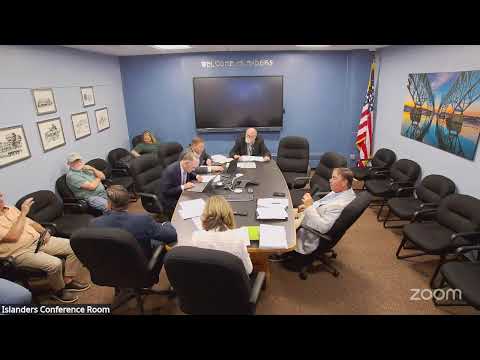
At a town workshop, board members directed code enforcement to suspend routine inspections of noncommercial farms except for complaint-driven visits, approving a six-month moratorium to be reviewed before it expires.
Grand Island Town Board members voted at a workshop to suspend routine inspections of small farms and backyard flocks for six months, except when an inspection is prompted by a complaint or where biosecurity measures can be used.
The board acted after members and agricultural advisers described the current outbreak of avian influenza and cited guidance from federal, state and county health agencies urging restrictions on nonessential access to farms and heightened biosecurity.
The move will direct the town’s code enforcement office to halt recurring inspection visits to nonfarm visitors and to limit site visits to complaint-driven investigations or cases where access can be arranged with appropriate biosecurity protections. Board members added a review calendar item so the moratorium will be checked before it lapses.
“Sheila,” a workshop participant who spoke at length about agricultural risk, warned: “It is incredibly easy to spread,” and said federal, state and county agencies have advised farms to restrict nonfarm visitors and follow clear biosecurity protocols. Kim Lays, identified in the meeting as a USDA‑certified veterinarian on the call, was cited as a resource for updates.
Board members debated whether the suspension should be open‑ended or time‑limited. A motion was made to suspend routine inspections except for complaint‑driven cases, and to set a six‑month moratorium with a five‑month check to allow time for a formal review. The motion was seconded and approved by voice vote. The transcript records affirmative responses (“Aye”) but does not show a roll‑call tally.
Board members said the suspension follows the same “until further notice” approach adopted by state and federal agencies and by other municipalities responding to the outbreak. Officials stressed that complaint investigations and any circumstances that threaten animal or public health would still prompt an inspection, and that any required access should use proper biosecurity equipment.
The board also asked staff to place a calendar reminder five months out so the moratorium can be reviewed and extended if public health agencies advise doing so.
The moratorium applies to routine inspections only; permitting and emergency responses were discussed separately as matters that may still require site access under biosecurity protocols.
No ordinance or formal amendment to the town code was enacted at the workshop; the change is an administrative direction to code enforcement and will be revisited in the coming months.