Get Full Government Meeting Transcripts, Videos, & Alerts Forever!
Get email alerts on the Community Programs topic
No spam. Unsubscribe anytime.
Friends groups report growth in adaptive programs and dance participation at Metro Parks
Summary
Two nonprofit partner groups updated the board on programming: Friends of Metroparks Disabilities & Magic reported increased participation and new adaptive offerings; Friends of Metro Dance reported rising class volume, scholarships, artist residencies and a request to discuss facility repairs or replacement.
Two Metro Parks partner organizations presented annual program updates to the Metropolitan Board of Parks and Recreation, describing expanded services, participation growth and funding needs.
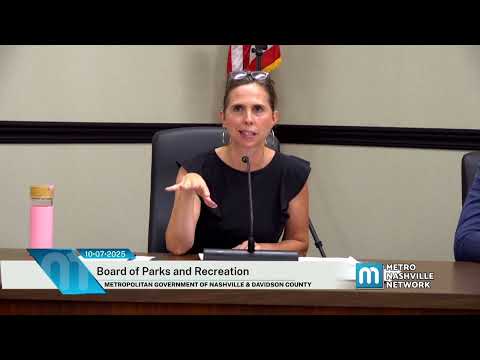
Friends of Metroparks Disabilities & Magic presented program growth and recent expenditures. Karen Summer, chair of the Friends board, said the program—a recreation program for adolescents and adults with intellectual disabilities—grew participation from 11,706 in FY22 to 19,470 in FY25 (fiscal-year totals cited by the presenter). Summer said the organization currently shows about $48,000 cash on hand at the time of reporting, and that its annual golf tournament has been a key fundraiser (the most recent tournament raised $10,000). Recent uses of funds included purchasing matching jerseys for participant safety, water bottles for a healthy-living initiative, expanding an adaptive ice-skating program (to be offered at Ford Ice Center in Bellevue as well as Centennial), and starting a photography club with dedicated cameras for participants. Summer described partnerships with Metro Parks, Special Olympics and others and noted online programs launched during the COVID pandemic have continued in hybrid form.
Friends of Metro Dance delivered an update on class volume, scholarships and resident-artist programming. Joni Carter, incoming president of Friends of Metro Dance, said the program operates roughly 77 weekly dance classes and logged nearly 25,000 participation hours annually; the program serves about 500 dancers each year with approximately a 50/50 split across adults and children. Friends of Metro Dance reported awarding about $7,300 in scholarships last season, supporting five resident artists at Centennial Performing Arts Studios, and underwriting live music for a recent Swan Lake performance. Carter said Friends of Metro Dance subsidizes summer intensive and master-class opportunities to keep advanced training affordable and highlighted outreach efforts including a dress-rehearsal invitation program for community groups.
Both presenters thanked Metro Parks and identified next steps: Friends of Metroparks Disabilities & Magic will continue fundraising for program materials and adaptive equipment; Friends of Metro Dance requested a discussion with Metro Parks about long‑term facility needs, noting the small Centennial building used for classes is in disrepair and may need replacement rather than piecemeal repairs.
No formal board action was recorded on either presentation; both were listed as informational updates on the meeting agenda.