Get Full Government Meeting Transcripts, Videos, & Alerts Forever!
Get email alerts on the Fire Investigation topic
No spam. Unsubscribe anytime.
Fire investigator: comfort dogs ease victims— anxiety, help arson work
Summary
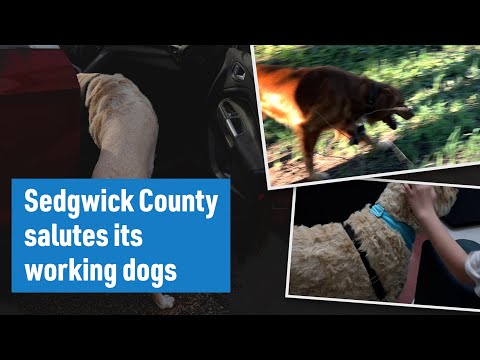
An unnamed fire investigator described how comfort dogs reduce tension for people at fire scenes, assist investigators in rebuilding what happened and said the teams train several times a week and fund that training themselves.
An unnamed fire investigator said during a meeting that comfort dogs help calm people at fire scenes, assist investigators in determining causes and can improve firefighter safety.
"They truly do save our lives at from time to time, and they also prevent us from using escalated force," the investigator said.
The investigator described the technical work fire investigators do in arson cases and how canine or comfort-dog presence fits into that work. "It's our job as fire investigators to to reverse engineer that scene, determine what caused that fire, whether it was accidental or whether it was intentionally set. And if it was intentionally set, that that person utilized ignitable locus," the investigator said.
The investigator also addressed training and funding for the canine teams, saying, "We train a couple times a week, and all of our training, we fund ourselves. They talk to me about missing their pets, so they're glad to pet a dog, and, I think it does help relieve some of the anxiety and tension with them." The comment indicated the dogs serve both an investigative and a comfort role for people who have lost pets or been displaced.
There were no formal votes or actions recorded on this item in the transcript provided. The remarks in the record were descriptive of the investigators' practices and training; the speaker identified duties, training frequency and the investigators' self-funding of training but did not propose or announce a policy change or funding request in the excerpted remarks.
The transcript excerpts show the investigator focused on three points: the safety and de-escalation benefits of canine teams, the technical role of investigators in determining causes of fires (including identifying an "ignitable locus" when arson is suspected), and that training is held multiple times per week and is paid for by the team members themselves.