Caldwell adopts $181.5 million FY2026 budget, uses $32 million in reserves for capital projects
Loading...
Summary
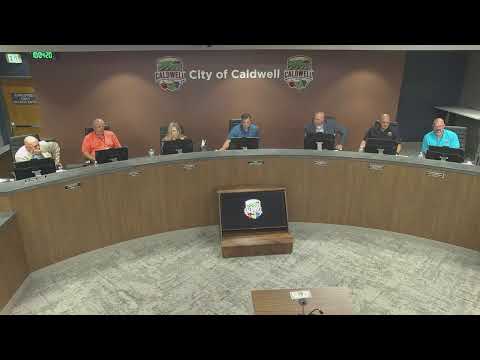
The Caldwell City Council on Aug. 18 approved the fiscal 2026 budget that sets $181,484,248 in expenditures, relies on roughly $32 million in fund balance for one‑time projects and adds 10 full‑time positions. The measure passed 5–1.
The Caldwell City Council adopted the city’s fiscal 2026 budget on Aug. 18, approving a $181,484,248 spending plan that relies on about $32 million in one‑time use of fund balance to cover capital projects and special expenses.
Finance Director Raylan presented the spending plan to the council, telling members total revenues for the budget are about $148 million with use of fund balance of roughly $32 million. Raylan said the package funds street and parks improvements, upgrades at the Caldwell Executive Airport, five traffic signals, investments in police technology including a real‑time crime center and drones, expanded fire and police training facilities and work at the wastewater treatment plant. He also described $3 million transferred to create a capital building fund and singled out a $500,000 roof replacement for the police building.
The budget creates 10 new full‑time positions and one part‑time position, adds an in‑house city attorney office and funds a $1.25 cost‑of‑living adjustment for all employees; Raylan said for fire employees the contract included a $500 merit increase. He told the council health‑insurance employer costs rise about 4% though employee premiums will remain the same.
Councilors pressed Raylan and HR Director Michelle about personnel classification changes and the city’s reserve position. Raylan said the city will maintain a roughly 30% general‑fund reserve and that the use of fund balance is targeted to one‑time capital needs rather than ongoing operations.
Council discussion touched on two notable allocations: a $270,000 increase to the animal‑shelter line item (up from $70,000 during workshops) and an earmark for a downtown railroad “quiet zone.” Councilors asked whether those funds could be shifted between priorities; Raylan said fund balance and contingency could cover higher shelter costs if necessary.
Councilor Williams moved adoption of Bill 52 / Ordinance 3704 to appropriate the FY2026 sums; Councilor Denver seconded. The ordinance passed on a 5–1 roll call vote, with Councilor Register the lone dissenting vote. Register said his vote reflected concern that the council should not approve a quiet‑zone project without firmer answers on liability and ongoing costs.
What’s next: the budget takes effect Oct. 1, 2025. Departments will proceed to prepare detailed capital implementation schedules and bring contract awards and project agreements back to council where required.