Get Full Government Meeting Transcripts, Videos, & Alerts Forever!
Get email alerts on the Legislative Agenda topic
No spam. Unsubscribe anytime.
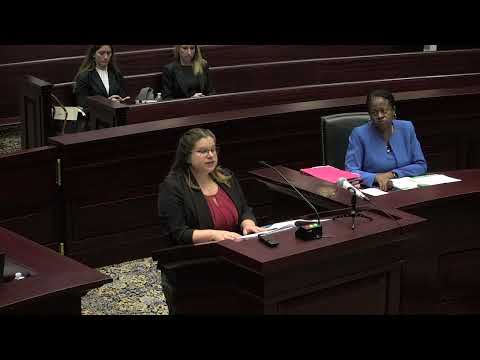
Commission discusses legislative priorities for 2026; personal‑knowledge rule and whistleblower protections draw most debate
Summary
The Ethics Commission reviewed possible legislative recommendations for 2026 and asked staff to return with narrower, prioritized proposals on the personal‑knowledge standard, whistleblower protections, and other technical fixes.
The Ethics Commission spent substantial time reviewing and refining a draft set of legislative priorities for the 2026 session, with commissioners focusing on whether to pursue changes to the personal‑knowledge standard used to screen complaints and whether to seek whistleblower‑style protections for complainants.
Key proposals reviewed Staff presented a supplemental memo listing possible legislative recommendations, including: (a) a carve‑out or statutory clarification to allow certain official investigatory documents (police reports, agency internal investigations, IG reports, audits) to be treated as "information other than hearsay" for sufficiency purposes; (b) a whistleblower‑style protection to shield ethics complainants from retaliatory personnel actions; (c) a 1‑time automatic fine waiver for late financial‑disclosure filings; (d) technical cleanup (postmark rule for mailed appeals, clarification that appointees completing a term must file required forms, training clarifications for appointees); (e) consideration of a records exemption for staff and some filing officials to protect home addresses/phone numbers; and (f) creating a process to manage vexatious complainants (rulemaking or statute) to limit repetitive filings that burden staff.
Discussion highlights Commissioners expressed divided views on the most politically and legally feasible items. Several commissioners urged caution about broadening the personal‑knowledge standard to include public records containing hearsay; one commissioner said expanding that standard could "undercut the legislature's decision to make the personal knowledge requirement." Other commissioners suggested narrower alternatives: accept certain agency‑generated investigative reports or allow specified documents (audits, IG reports) to be admissible, or allow agencies to refer matters to the commission. Several commissioners recommended prioritizing only two or three items and pursuing those aggressively with legislative sponsors rather than a long list.
Process requests and next steps Commissioners asked staff to research (a) whether rulemaking alone could address vexatious complainant procedures; (b) data on how many complaints or allegations have been dismissed under the personal‑knowledge test (staff reported it is a small percentage but that some dismissals involve higher‑impact allegations); and (c) to prepare refined bill language or A/B options on the personal‑knowledge proposal. Commissioners generally supported returning with prioritized recommendations in September and developing a coordinated lobbying strategy if the commission chooses to pursue bills.
No formal vote was taken to adopt a legislative package at this meeting.