Lifetime Citizen Portal Access — AI Briefings, Alerts & Unlimited Follows
ICJ advisory opinion says states must protect global climate system, U.N. says
Loading...
Summary
The International Court of Justice issued an advisory opinion affirming state obligations to protect the global climate system; the U.N. secretary-general called the opinion a victory for climate justice and said the 1.5°C goal should guide policy under current treaties.
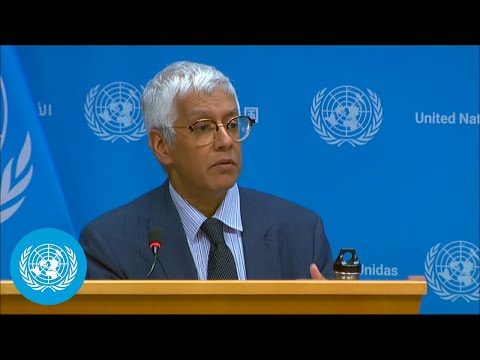
The United Nations spokesperson, Farhan, told reporters the secretary-general welcomed an advisory opinion from the International Court of Justice that clarified states' obligations under international law to protect the global climate system.
Farhan said the secretary-general viewed the ICJ opinion as "a victory for our planet, for climate justice, and for the power of young people to make a difference," and noted that young Pacific Islanders initiated the call to the court.
The spokesperson also quoted the secretary-general saying that the ICJ had made clear that the 1.5°C goal of the Paris Agreement "must be the basis of all climate policies under the current climate change treaty regime." The U.N. High Commissioner for Human Rights, Volker Türk, highlighted that the advisory opinion affirms that "human rights law and obligations apply in the context of climate change" and that those obligations include the human right to life and the right to a clean, healthy and sustainable environment.
The secretary-general is scheduled to deliver remarks at Amnesty International's 2025 Global Assembly and will highlight human rights challenges and the role of human rights in addressing climate and other crises, Farhan said. The remarks will be delivered virtually and available on UN Web TV.
Ending: U.N. officials said the ICJ opinion reinforces legal and diplomatic pressure on states to align policy with the 1.5°C objective and to integrate human-rights considerations into climate action.