Get Full Government Meeting Transcripts, Videos, & Alerts Forever!
Get email alerts on the Affordable Housing topic
No spam. Unsubscribe anytime.
Board approves charity pilot exemption for Avondale Meadows low-income housing for 2024–25
Summary
The Marion County Board approved a property-tax exemption request tied to a city pilot for Avondale Meadows, a 216-unit low-income housing project financed under Section 42; developers said the pilot is essential to project viability and that payments under the pilot are being made to the city.
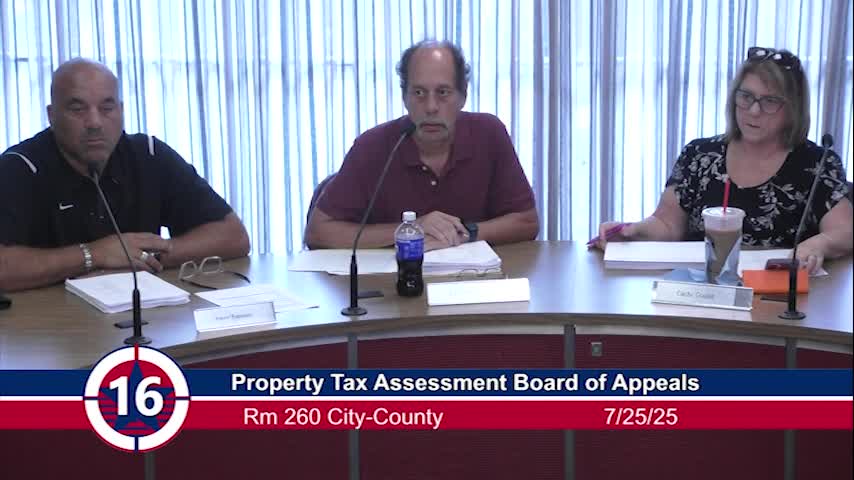
The Marion County Property Tax Assessment Board of Appeals on a motion approved a property-tax exemption request for Avondale Meadows for the 2024 and 2025 assessment years.
Matt Anger, an attorney with Ice Miller representing the project, told the board the request stems from a timing gap: the developer expected the property to be assessed only after placed-in-service milestones, but the county assessed the improvements in 2024 and tax bills issued after filing deadlines. “The main reason for that was that the taxpayer did not realize that the county was going to assess the project as complete in 2024,” Anger said, adding that the exemption filings (Form 136) were submitted once the discrepancy was discovered.
Corey Stark, vice president of finance for Virgin Health Asset Management, said Avondale Meadows is a 216‑unit affordable housing development financed with low-income housing tax credits under Section 42. He described the project as “over 95% average occupancy” since being placed in service and said the negotiated pilot with the City of Indianapolis — a payment-in-lieu arrangement — is essential to the project’s ability to meet debt-service obligations. “Without that incentive, the deal just structurally just is not viable,” Stark said.
Board members asked for details about tenant income limits, rent levels and supportive services. Stark said all units are restricted to households at the 60% area median income level and described an average rent of about $1,100 per month, with a unit mix of 72 one-bedroom, 84 two-bedroom and 63 three-bedroom units. “In our example of $1,100 if that person didn't only had a thousand dollars a month of income, they are only gonna pay a max of $300 a month out of pocket,” Stark said when describing how Housing Choice Vouchers administered through the Indianapolis Housing Authority would work for voucher recipients.
Stark also described resident services packaged with the pilot: a financial-literacy and renter-assistance program run with Indianapolis Neighborhood Housing Partnership and Merchants Bank of Indiana, community programming and “medical assistance in the form of, help with pharmacy delivery.” Board members asked about security deposits; Stark said the property does not require first-and-last month rent but could not state the exact deposit amount from memory.
Anger said the project has begun making payments under the pilot for the 2024 (pay 2025) assessment year. The board motion to allow the 2024–25 exemption for the parcel carried; the minutes record the motion, a second and voice vote in favor. The board did not attach conditions to the exemption in the hearing record.
The developer and the board discussed procedural points: exemption eligibility for low-income housing projects is tied to when the property is placed in service and the county’s assessment schedule; when assessment occurs earlier than the applicant expects, the applicant must file Form 136 to request exemption for the affected year.
The board’s approval applies to the parcel identified in the hearing; the filing and pilot agreement were discussed as background in the public record. The board did not record a roll-call vote listing each member by name in the transcript excerpt provided.