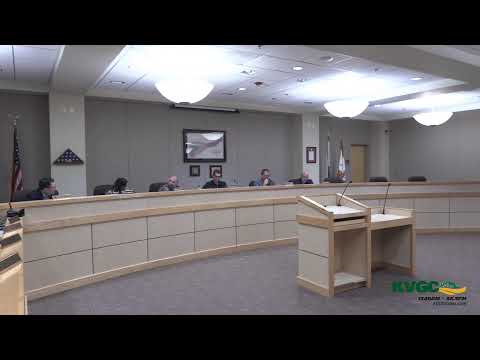
Amador County assessor reports modest assessment growth, fewer primary residences
Loading...
Summary
Assessor Jim Rooney told the board assessed values rose modestly countywide last year — about 4.1% — while the number of properties designated as homeowners' primary residences has declined for several years, a trend the office says could affect local enrollment and tax dynamics.
Amador County Assessor Jim Rooney told the board that assessed values in the county rose about 4.1% last year, broadly in line with neighboring counties, but that the number of properties designated as primary residences has declined over the past six years.
Rooney, who presented the assessor’s annual report alongside Assistant Assessor Jeff Himaman, said the county’s largest percentage assessment growth last year was in Plymouth, which rose nearly 10%; he said Ione represents about 11% of county residences, while Plymouth makes up roughly 3%. Jackson and Sutter Creek had smaller increases. "Last year the assessments in Amador County went up about 4.1%," Rooney told trustees.
The assessor’s office also reported 141 new homes countywide in the previous year, with Ione accounting for 53 and Plymouth 27 of those additions. Rooney said the office tracks the number of residences that property owners have designated as a homeowner's primary residence and that the county has seen a net decline in those filings compared with February 2019. "In the county last year, there were about 140 fewer primary residences than the year before," Rooney said.
Why it matters: Primary residence status affects a homeowner’s eligibility for the state’s homeowner’s exemption (a $7,000 reduction in assessed value) and can affect transfer assessments when properties change hands; changes in the number of primary residences also inform school‑enrollment forecasting, the board heard.
Rooney noted that Proposition 13 limits annual assessment growth for an existing owner to modest rates (commonly 2% annually) and that wider changes to enrollment or local revenues will be driven by population and housing trends rather than a single year’s assessed‑value change.
How to reach the assessor Rooney invited trustees and the public to contact the assessor’s office with questions and said residents should contact the office if they have questions about homeowners’ exemptions or assessments.