Get Full Government Meeting Transcripts, Videos, & Alerts Forever!
Get email alerts on the Fiscal Health topic
No spam. Unsubscribe anytime.
State fiscal review flags Amador County Unified for elevated insolvency risk; board urged to accelerate stabilization steps
Summary
FCMAT intervention specialists said Amador County Unified faces an elevated fiscal risk after three consecutive "qualified" interim certifications, urging faster implementation of savings measures and more complete pre‑settlement analyses of bargaining agreements.
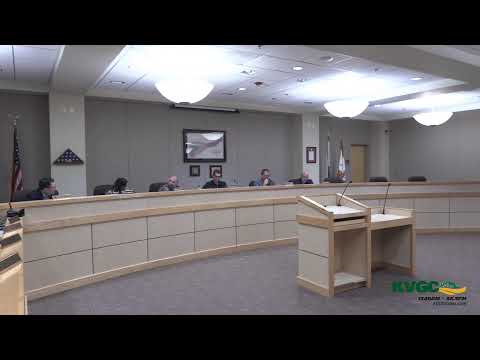
FCMAT intervention specialists told the Amador County Unified School District board on Wednesday that the district’s fiscal health risk is elevated and requires continued, rapid action to avoid fiscal insolvency.
Rosslyn Manantala Smith, an FCMAT intervention specialist, and Carolyn Benno, a chief analyst with the Fiscal Crisis & Management Assistance Team, presented the office’s Fiscal Health Risk Analysis after the district recorded three consecutive "qualified" interim certifications. FCMAT said that automatically triggers the analysis, which is provided to districts at no charge and is designed to help local leaders identify fiscal weaknesses and prioritize corrective steps.
The report assigned the district a risk score just under 50 percent, with FCMAT staff pointing to several near-term vulnerabilities that drove the result: deficit spending recorded in two of the last three years, an unanticipated liability from the district’s self-insured health plan, rising special-education contractor and nonpublic school costs driven by unfilled positions, and delays in implementing previously approved consolidation and other cost-saving measures. FCMAT also noted a continuing, modest decline in student enrollment since 2022–23.
Why it matters: FCMAT told the board the district remains in a recoverable position — "fiscal distress," not insolvency — but warned that failure to replenish reserves and reduce recurring costs risks escalation to a negative certification or, ultimately, the appointment of a state administrator, which would cost the district money and local control. The presentation repeatedly framed the analysis as a tool to help the board make informed, preventative decisions.
Key findings and responses - Trigger and score: FCMAT said the district’s three consecutive qualified certifications required the FHRA and that the district’s score on the tool supported that result. "Because you guys were triggered, your risk score is automatically in the high range," Rosslyn Manantala Smith said during the presentation. - Drivers of risk: The largest contributors were (1) staffing and collective bargaining implications, especially the district’s need to quantify multi‑year impacts of tentative agreements; (2) unstable leadership and cabinet turnover in recent years; (3) delays in implementing a district consolidation plan that was expected to yield savings; (4) an excess claims liability tied to the district’s self‑insured health model; and (5) rising special‑education contractor costs as vacancies persist. - Deficit amounts and reserves: FCMAT noted the district projected a roughly $1 million deficit in its 2024–25 second interim (the snapshot the FHRA uses) and that the district relies on fund balance to cover shortfalls. FCMAT emphasized that continued deficit spending reduces reserves and eventually endangers cash needed for payroll. - Debt and cash risk: FCMAT called attention to Certificates of Participation (COP) debt the district took to finance capital work, and warned payments coming from the unrestricted general fund could further stress reserves if anticipated savings do not materialize.
Board reaction and next steps Superintendent Robert Critchfield and Chief Business Official Robert Norton participated in the discussion and answered board questions about specific actions. Trustees pressed for clarity about items FCMAT flagged as "high risk," including personnel-related scoring and how collective bargaining analyses should be presented to the board and the district’s oversight agency. Trustee Peter (first name only in the meeting record) asked whether the personnel score implied recommended staffing reductions; FCMAT clarified the score reflected the district’s public‑disclosure practices and recommended inclusion of clear multi‑year cost analyses before tentative agreements come to the board.
FCMAT’s suggested next steps included maintaining and updating the board‑approved fiscal stabilization plan, working closely with the California Department of Education, accelerating the phase‑out of the self‑insured health model, making a timely decision about implementation of the district consolidation plan so savings appear in multi‑year projections, and prioritizing budget, monitoring and grant‑management improvements. FCMAT recommended the district present pre‑settlement analyses (cost and funding sources) to the board and to CDE at least 10 working days before board action when the district is operating under qualified certifications.
What the board asked FCMAT to do next: Trustees asked for the FHRA findings to inform a schedule for follow‑up presentations and more granular fiscal comparisons of consolidation options. Several trustees said they wanted staff to return with refined cost and enrollment projections, and with a clearer timeline for decisions about consolidation and use of COP funds.
What FCMAT did not do: The FHRA is an assessment tool, not a prescriptive plan. FCMAT said it did not issue binding recommendations nor replace the board’s responsibilities; instead it provided a prioritized diagnostic and suggested operational steps.
Where it goes from here: Trustees and administrators agreed to use the FHRA results to accelerate budgeting, monitoring and bargaining processes ahead of the next interim report and to keep CDE apprised of any plan updates. FCMAT staff recommended the district consider re‑running the FHRA after key corrective actions to measure progress.
Ending: Board members thanked FCMAT for the report and emphasized they expected staff to return with detailed follow‑up information and timelines for decisions that will affect the multi‑year budget outlook.