Get Full Government Meeting Transcripts, Videos, & Alerts Forever!
Get email alerts on the Sworn Complaints And Procedure topic
No spam. Unsubscribe anytime.
Ethics Commission makes sworn complaints public, dismisses several complaints and defers show-cause decision on complaints against state senator
Summary
General Counsel Topping said recent statutory changes make sworn complaints public from the moment of filing and give the commission more authority to investigate internally; commissioners dismissed multiple jurisdictional complaints and deferred a show-cause decision related to complaints against state Sen. Brent Taylor.
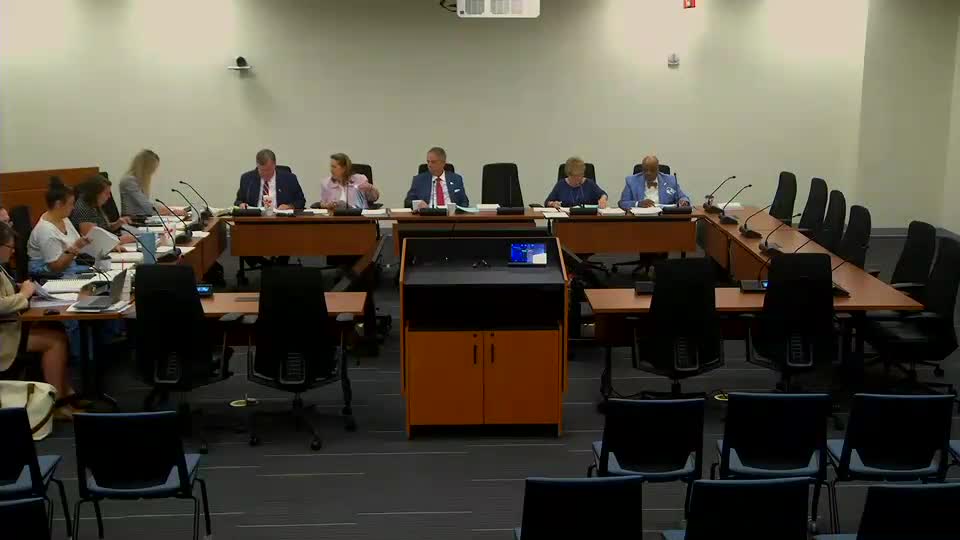
General Counsel Topping told the Tennessee Ethics Commission that recent statutory changes require sworn complaints to be public records from the moment they are filed and give the commission broader authority to investigate complaints internally. Topping said the change was intended to make the process more transparent and to reduce situations in which complainants publicize allegations that the commission previously could not acknowledge.
"What we have asked and what the legislature has done, is that these matters are no longer going to be confidential. From the very moment that they are filed, the complaint itself will be public record as well as any other records that that come in along with the complaint," Topping said during the meeting.
Topping and Executive Director Bill Young explained that, as an initial procedural matter, the commission was conducting preliminary jurisdictional hearings to decide whether their office may proceed on each sworn complaint. They emphasized that these preliminary hearings were not show-cause hearings and that testimony and fuller evidentiary procedures would occur only if the commission found jurisdiction and elected to proceed.
Dismissals and follow-up - Bridal Johnson v. Shane Taylor: Staff recommended dismissing the complaint for lack of probable cause and lack of jurisdiction because the matter involved a local conflict-of-interest question governed by county rules (cited by the complainant as TCA 5-5-112). The commission voted to dismiss the complaint.
- Thomas Morgan v. David Abbott: Staff recommended dismissal for lack of jurisdiction after noting the complaint concerned a local county commissioner’s alleged dual interest with a bank; the commission dismissed the complaint. Staff noted Commissioner Abbott had disclosed his ties to Tower Community Bank on his statements of interest in 2024 and 2025.
- Multiple complaints (C20250...5 and C20250...6) against state Sen. Brent Taylor: Staff combined identical complaints filed by multiple individuals and recommended dismissal for lack of jurisdiction because the complaints alleged political statements rather than misuse of office for personal financial gain, which is the limited scope of the statute for General Assembly members. Commissioners discussed whether the complaints were an attempt to “weaponize” the commission for political ends. The commission voted to dismiss the complaints for lack of jurisdiction but deferred a decision on whether to issue show-cause notices to the complainants (a procedural mechanism under the statute to consider sanctions against complainants who file frivolous or abusive complaints). Several commissioners said they preferred to address the show-cause question when the full six-member commission is present.
- April Rainbolt v. Gary Bailey and others (Carter County): Staff recommended dismissal for lack of jurisdiction for most allegations but noted one issue that could be within the commission’s process: Mr. Bailey appears not to have filed a current statement of interest after a change in status (staff records show Mr. Bailey’s last filed statement of interest is from March 2022 and staff has not previously been notified of his Planning Commission role). Staff recommended dismissing the complaint for lack of jurisdiction while directing staff to pursue the filing of the 2025 statement of interest by Mr. Bailey and to return to the commission if he fails to file.
- Claire Jackson v. multiple respondents (Tennessee Claims Commission staff, contractors, and Department of Veterans Services employees): Staff recommended dismissal for lack of jurisdiction and noted that the matters cited in the complaint — including rules governing vital records, judicial or attorney conduct, and claims settlement practices — fall under other agencies or courts. The commission voted to dismiss.
Why it matters: The statutory changes Topping described remove confidentiality from the earliest stages of sworn complaints (with a narrow confidentiality window for complaints filed within 30 days before an election). That shift alters how the commission and complainants must treat filings and could increase political visibility of preliminary allegations. Commissioners debated balancing transparency against the risk of weaponizing the commission as a political tool.
Next steps: The commission dismissed multiple complaints for lack of jurisdiction, asked staff to seek late statements of interest where appropriate, and deferred the show-cause decision on the complaints against Sen. Brent Taylor until a meeting with a full commission quorum.