Get Full Government Meeting Transcripts, Videos, & Alerts Forever!
Get email alerts on the Community Investment Program topic
No spam. Unsubscribe anytime.
Waukesha parks board recommends 2026–2030 Community Investment Program; highlights fleet replacements, Mineola and Prairie projects
Summary
The Waukesha City Parks, Recreation and Forestry Board voted unanimously Aug. 25 to recommend the proposed 2026–2030 Community Investment Program (CIP) to the Finance Committee after discussing fleet replacements and major park projects including a Mineola restroom/concessions proposal and Prairie Park court and field work.
The Waukesha City Parks, Recreation and Forestry Board voted unanimously Aug. 25 to recommend that the Finance Committee consider the proposed 2026–2030 Community Investment Program, a $5.1 million package that the department said is split roughly between borrowed funds and alternative revenues such as impact fees.
Board members advanced the recommendation after a staff presentation that focused on 2026 projects and on a fleet replacement plan that parks staff and the city fleet manager said is intended to reduce breakdowns and maintenance costs.
The Parks Department presentation, led by park staff member Melissa, reviewed 2026 fleet items including replacement pickup trucks with plows and salters, a garbage packer truck used five days a week during peak season, three forestry bucket trucks, small utility “gator” vehicles used on trails and at events, mowers and a backhoe with a new articulated grapple. John Weinkoff, the city fleet manager in Public Works, reviewed specifications and replacement rationale for several items. Melissa told the board, “If there are questions that I can't answer or don't have the immediate response to, I can get more facts and details and get back to you on those too.”
Board members pressed staff on repair histories and seasonal staffing. One member said frequent repairs to a garbage packer truck raised concerns about seasonal staff driving and equipment lifespans; Melissa and other staff noted some repairs were due to collisions and that a mix of full‑time and seasonal drivers contribute to wear. Staff said the city recently added a fleet manager position and that vehicle recommendations were vetted by the city administrator and finance director.
In the project portion of the presentation, staff outlined several proposed 2026 capital projects and funding sources. The largest single item in the Parks portion of the CIP was work at Mineola, where staff proposed a south‑end pavilion that would include restroom and concession space and a rentable community room. Staff said the facility is intended to be at least partially self‑supporting through rental and concession revenue and that approximately $1 million of impact fees are proposed to support development. Facilities coordinator Greg Wilcox was cited by staff as leading rental coordination and helping assess demand; staff noted Mineola’s turf fields have already drawn tournaments and higher usage.
Prairie Park is another priority in the CIP request. Staff proposed reconstructing the existing tennis courts into courts that will accommodate both tennis and pickleball, adding new lighting and fencing, and addressing baseball/softball field fencing and a small football field’s lighting. Parks staff and recreation staff described heavy, sustained demand for pickleball — more than 1,000 players in the program and thousands of season registrations — and said converting tennis courts to dedicated tennis/pickleball layouts would support programming and generate revenue.
Staff also described a federally funded planning grant to study a trail overpass at Highway 59 to improve connectivity where the Fox River north and south trails meet. Staff said the grant covers a large share of planning costs and that city engineering and community development have led the grant application and will coordinate next steps; the application process included a prior RAISE grant review that staff said helped strengthen the submission.
Board members asked for details about grant names and cost sharing; staff said major non‑borrowed funds in the parks CIP include impact fees and Block Grant funds for playground replacement. Melissa noted the CIP packet includes green sheets with anticipated salvage values for replaced vehicles; the full budget book contains more detailed budget and salvage assumptions.
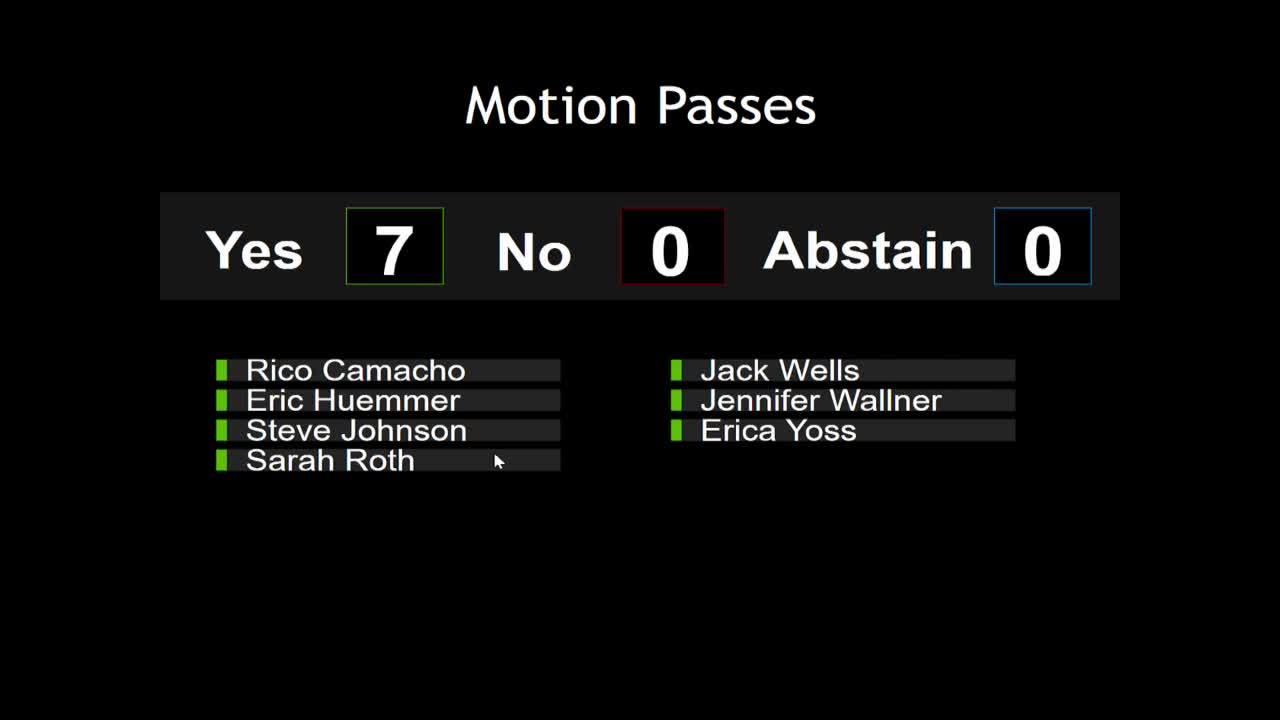
After discussion, Board member Jennifer Wallner moved and another board member seconded a motion recommending the proposed 2026 Community Investment Program to the Finance Committee. The board took a voice vote; the motion passed unanimously and staff said the Finance Committee will review the CIP on Sept. 8 with final council action anticipated Sept. 16.
Separately, staff gave a flood‑damage briefing noting that parks sustained primarily silt, debris and localized structural damage in boardwalk and lower riverwalk areas. Melissa said inspections were ongoing and that most impacts so far were cleanup and targeted board or pier repairs; she said specialized bridge inspections would be coordinated with city engineering and third‑party reviewers where needed.
The board discussion emphasized protecting equipment and maximizing salvage value as the department balances replacement needs with constrained budgets. Staff encouraged board members to attend the Finance Committee CIP presentation and to visit an equipment show planned at the City Garage prior to that meeting.
Votes at a glance: Recommendation to finance committee on proposed 2026 Community Investment Program — motion moved by Jennifer Wallner, second by Eric (surname not specified in the audio); vote: unanimous approval (individual roll‑call votes were not read on the record).