Get Full Government Meeting Transcripts, Videos, & Alerts Forever!
Get email alerts on the Finance topic
No spam. Unsubscribe anytime.
Consultant presents impact‑fee study and CIP timeline as Star prepares for rapid growth
Summary
Clearwater Financial updated the council on a capital improvement plan and impact‑fee study to help the growing city fund parks, police substations and pathways; public outreach and draft ordinance readings are scheduled through November.
Christine Stoll of Clearwater Financial presented the city’s capital improvement planning (CIP) progress and an impact‑fee methodology the consulting team expects to finish in November.
Stoll told the council the project team has completed stakeholder interviews, advisory‑committee meetings and a facility tour. “The point of the impact fees is, your growth is draining your services, and so we’re trying to help mitigate that with some impact fees,” she said. She reviewed the study methodology: identify who the city currently serves, quantify current levels of service, inventory assets and condition, forecast future growth, determine needed new infrastructure and calculate fees required to pay for growth‑related capital.
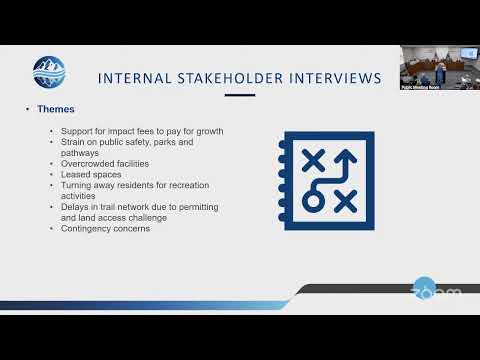
Key findings presented to the council included: rapid population growth (the report cites an 80% increase from 2020 to 2024), a projected range for population in 2060 (low 71,000; middle 87,000; high 110,000), rising median age (from 31 to about 40) and a substantial increase in senior population. Stoll said conversation themes included overcrowding of parks and recreation facilities, interest in decentralized police substations, support for public‑private partnerships, and developer concerns about cumulative fees affecting housing affordability.
Stoll outlined next steps: continued work on the CIP and impact‑fee drafts, additional advisory‑committee meetings, public outreach (website, press release, social media, open houses), and city council ordinance readings beginning October 2025. She said the administration of fees typically occurs at building‑permit issuance, with annual reporting on fee collection and use and a required CIP update every five years.
Council members asked for follow‑up detail on historical “growth paying for growth” (whether impact‑fee balances had been used and when they decreased); Stoll said staff would investigate and provide numbers in the final report. The council urged robust public engagement, and Stoll said the consultant will recommend communication strategies to help residents and builders understand the fee calculations and what impact fees can and cannot fund (she emphasized state statute limits fees to capital improvements, not personnel).