Get Full Government Meeting Transcripts, Videos, & Alerts Forever!
Get email alerts on the Food Price Inflation Fao 2025 topic
No spam. Unsubscribe anytime.
FAO chief economist: global food prices remain elevated after ‘perfect storm’ of shocks
Summary
Maximo Torreiro, chief economist at the Food and Agriculture Organization, said global food prices surged in a “perfect storm” of pandemic stimulus, conflict and climate shocks and only returned to pre-2020 levels by 2024.
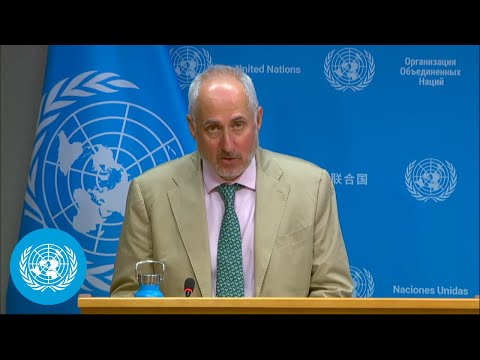
Maximo Torreiro, chief economist at the Food and Agriculture Organization of the United Nations, briefed UN correspondents on global food-price inflation and previewed findings tied to the State of Food Security and Nutrition in the World 2025 report.
Torreiro said global food prices experienced a “perfect storm” of shocks between 2020 and 2024 — namely the COVID-19 pandemic, the war in Ukraine and increasingly frequent climate shocks. He told reporters that food inflation peaked at 13.6% in January 2023 and that, by 2024, prices had only returned to roughly the 2019 pre-pandemic level, meaning households endured multiple years of reduced food affordability.
Why it matters: Elevated food prices and prolonged inflation have eroded household purchasing power, driven many families toward cheaper and less nutritious diets, and contributed to rising rates of child wasting and severe food insecurity in parts of Africa and Western Asia, the briefing said.
Torreiro summarized the report’s findings on impacts and policy lessons. The report links a 10% rise in food prices to an approximate 3.5 percentage-point rise in moderate-to-severe food insecurity and estimates that a given episode of food inflation raised severe child wasting by an estimated 4.8 to 6.1 percentage points in affected cohorts. He said low-income countries were hit hardest, with some experiencing food-price inflation of up to 30% during the peak period.
On causes, Torreiro listed three drivers: demand-side pressures related to pandemic-era fiscal stimulus, export and input disruptions due to the war in Ukraine (including fertilizer and key commodity flows), and climate-induced production losses. He told reporters that fertilizer markets are concentrated and that renewed mobility restrictions for key exporters could push input costs and commodity prices higher again.
The briefing also covered policy recommendations. FAO’s chief economist said five policy lessons stand out: time-bound targeted social protection to protect vulnerable households; avoiding blanket trade restrictions; coordinating monetary and fiscal policy; strengthening market-transparency systems such as the Agricultural Market Information System (AMIS); and investing in institutional preparedness and governance to enable faster response.
Report figures and examples cited at the briefing included a peak food inflation rate of 13.6% in January 2023; a 21% month-on-month increase in sugar prices in Nyala (South Darfur) in one referenced local assessment; and that household real wages fell globally by about 0.9% in 2022 while food prices rose, reducing purchasing power. Torreiro offered rice as an example of a crop affected by fertilizer price increases: higher fertilizer costs reduced planting intensity in some seasons, which in turn affected supply and pushed rice prices up months later.
Questions from correspondents addressed fertilizer market concentration, the role of the Nutrition for Growth commitments and coordination with UN nutrition groups, and the effect of Red Sea shipping disruptions on logistics and insurance costs. Torreiro said FAO coordinates with the UN nutrition group and the Nutrition for Growth process and noted that some funding totals cited by partners reflect both new pledges and reallocated funds.
What was not decided: The briefing was explanatory and did not record any new FAO policy vote or binding international commitment; it summarized the report’s findings and policy recommendations ahead of the report release.
Context and next steps: Torreiro said strengthening social-protection systems, preserving open markets while supporting vulnerable consumers and improving market transparency are priorities to reduce the vulnerability of agri-food systems to future shocks. FAO and partners will publish the full State of Food Security and Nutrition in the World report on its scheduled release date.