Get Full Government Meeting Transcripts, Videos, & Alerts Forever!
Get email alerts on the Gaza Humanitarian Crisis topic
No spam. Unsubscribe anytime.
UN: Gaza humanitarian system ‘last gasp’ as UN premises struck and malnutrition soars
Summary
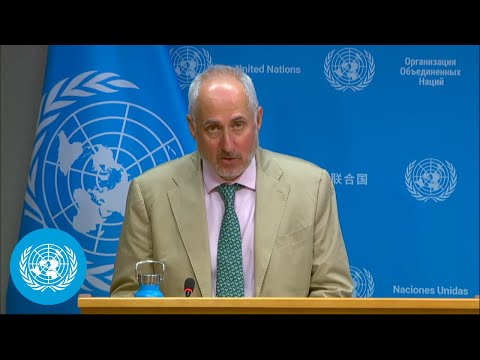
At a United Nations press briefing, the secretary-general warned that humanitarian operations in Gaza are collapsing amid intense hostilities, strikes on UN premises and rising malnutrition. The UN called for protection of civilian sites, unimpeded humanitarian access and increased international support.
The secretary-general warned at a United Nations press briefing that Gaza’s humanitarian system is collapsing amid intense hostilities, strikes on UN premises and soaring malnutrition.
The secretary-general said the situation in Gaza is a “horror show” in which “malnourishment is soaring, starvation is knocking on every door,” and he urged that UN premises — which parties were given coordinates for — be protected as inviolable civilian sites under international humanitarian law, the UN spokesperson said.
The warning came as UN agencies reported hospitals overwhelmed with trauma patients and shortages of medical supplies and fuel. Local health authorities told UN teams that, in the 24 hours referenced by the UN, “more than a dozen children and adults died from hunger,” and hospitals admitted people in “severe exhaustion caused by lack of food,” according to the briefing transcript.
Why it matters: The UN said humanitarian operations are being hampered by ongoing hostilities, restricted access and repeated incidents affecting UN facilities and personnel. The conditions described, if sustained, could drive further acute malnutrition and deaths among civilians in Gaza and complicate delivery of lifesaving assistance.
At the briefing, the UN noted multiple incidents in which United Nations premises, including facilities used by UNOPS and the World Health Organization (WHO), were struck despite the parties having the locations and coordinates. The press briefing recounted that WHO’s main warehouses were among the sites affected and said that one WHO staff member remained detained following an incident at a WHO facility. The spokesperson added that UN teams have shared all premises’ coordinates with parties and stressed that civilian sites must be protected “without any exception.”
UN staff described operational constraints on aid deliveries: in some cases, convoys collecting supplies near Gaza’s crossings came under fire while civilians approached those trucks, the spokesperson said. The UN reported that humanitarian staff on the ground are themselves being displaced and that some monitoring teams are unable to produce reliable population-movement estimates because of communications blackouts and heavy bombardment.
The briefing also gave specific operational figures cited by the UN: hospitals reported more than 2,000 trauma injuries in the prior four days; about 88% of the Gaza Strip was described as subject to displacement orders or located within militarized zones; and UN staff said about 1,000 families fled within the first hours of a displacement order in the Dar El Bala area, though the UN added that a reliable current estimate was not available because monitoring teams were affected.
The secretary-general used the wider forum to call for improved Security Council working methods and representation, and the briefing recalled other UN diplomatic efforts such as the Black Sea Initiative and a memorandum of understanding with the Russian Federation, which the spokesperson cited as examples where mediation produced results.
The briefing also touched on UNESCO after the United States announced it would withdraw from the agency. The spokesperson said the secretary-general “deeply regretted” the decision and quoted the UNESCO director-general’s similar expression of regret.
What was not decided: The briefing recorded appeals and warnings but did not record any Security Council vote or a formal Council decision in the briefing text. The UN spokesperson said messages have been conveyed “at all levels” to Israeli officials to request access for humanitarian operations, but the transcript does not record any new, binding agreement or outcome from those contacts.
Context and next steps: UN agencies present at the briefing said they would continue to call for unimpeded access, protection of civilians and humanitarian personnel, and increased international support, and they flagged that operations are becoming ever more constrained by insecurity, logistics and resource shortfalls.