Get Full Government Meeting Transcripts, Videos, & Alerts Forever!
Get email alerts on the Personnel Costs topic
No spam. Unsubscribe anytime.
Board reviews $12.6M substitute staffing contract as commissioners raise concerns about chronic absenteeism
Summary
Human Capital requested board approval to enter a three‑year substitute staffing contract with ESS for up to $12.6 million; commissioners used the presentation to press for stronger measures to address chronic staff absenteeism and its budgetary impact.
Human Capital staff requested board approval of a three‑year substitute‑staffing agreement with ESS (Nov. 1, 2025–06/30/2028) with two optional one‑year extensions. The contract total cited in the presentation was $12,600,000 (annual not-to-exceed $4,200,000).
Human Capital said last year the district filled about 65% of substitute requests (29,000 of 46,848 total requests), and staff explained that part‑day and short-term requests are common. The presentation showed daily sub rates and long-term placement pay bands, and staff said the district has raised sub pay in recent years to remain competitive.
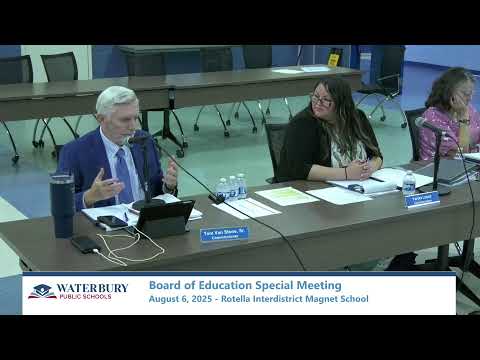
Board reaction: Commissioners expressed alarm at the scale of substitute spending and tied it to chronic absenteeism among staff. Commissioner Van Stone urged the district to treat absenteeism more aggressively in upcoming contract negotiations and cited increases in FMLA and long-term leave usage since the COVID period as a cost driver. Commissioners asked for more detail about absenteeism causes, the district’s comparative competitiveness on sub pay and whether contract language could address chronic absenteeism and reduce reliance on long-term subs.
Why it matters: Substitute spending is a major operational cost. Commissioners framed it as both a budget issue and a labor-management priority that may need contract and policy remedies.
Next steps: Human Capital noted vacancies have improved and said staff will bring additional data and will use collective-bargaining negotiations as a forum to discuss attendance and contract language that could address chronic absenteeism.