Get Full Government Meeting Transcripts, Videos, & Alerts Forever!
Get email alerts on the Health Care Patient Rights topic
No spam. Unsubscribe anytime.
Representative Regas urges stricter enforcement after hospital fetal-remains practices; bill would create penalties
Summary
Representative Regas told the committee about personal losses and introduced a bill to ensure parents can obtain fetal remains after miscarriage or early pregnancy loss, increase enforcement and create civil and criminal penalties for noncompliance. Supporters said existing law requires hospitals to offer a disposition option but enforcement is
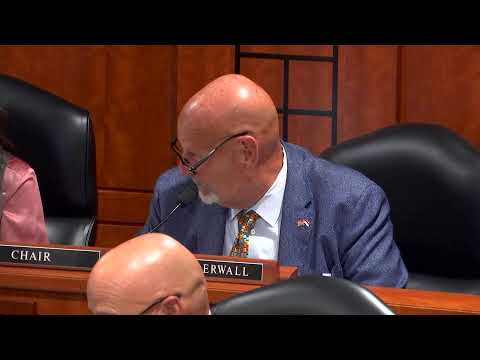
Representative Regas testified before the House Health Policy Committee in support of legislation that would require hospitals to honor parents' requests regarding fetal remains after miscarriage or early pregnancy loss and would create civil and criminal penalties for noncompliance.
Regas told the committee that hospital staff informed her in earlier miscarriages that the remains were treated as "medical waste" and would be incinerated, which she said prevented her from grieving in the way she wished. "I was already grieving. I was already in a very bad place, and there was nothing that I could do," she said, describing multiple pregnancy losses and a subsequent stillbirth at greater than 20 weeks for which she was able to arrange a funeral.
Under the bill described in testimony, a first violation would be a civil infraction with a maximum civil fine of up to $10,000; a second or subsequent violation would be a misdemeanor punishable by up to 90 days imprisonment and a fine up to $50,000, according to Regas. She said the statute would strengthen enforcement of a requirement she said already exists in Michigan law that hospitals offer disposition options to parents for fetal remains.
Regas said the measure was born of personal experience and is intended to ensure parents are informed of options and can make arrangements with a funeral home or other licensed entity. "How much is your lost infant worth to you? You can't put a price on that," she said, explaining the purpose of the proposed penalties as a deterrent to noncompliant hospital policies.
Committee members praised Regas for bringing the issue to the floor and said the legislature should ensure patients know their rights and hospitals follow existing statutes. The committee read cards in support from groups including Michigan Family Inform, Salt and Light Global, and Right to Life; those witnesses did not speak at the hearing.
No formal committee action or vote on the bill was recorded during the hearing.
Representative Regas and supporters requested legislative follow-up to confirm current statutory language and to ensure hospitals are aware of and comply with the law as amended.