Get Full Government Meeting Transcripts, Videos, & Alerts Forever!
Get email alerts on the Land Use Wetlands topic
No spam. Unsubscribe anytime.
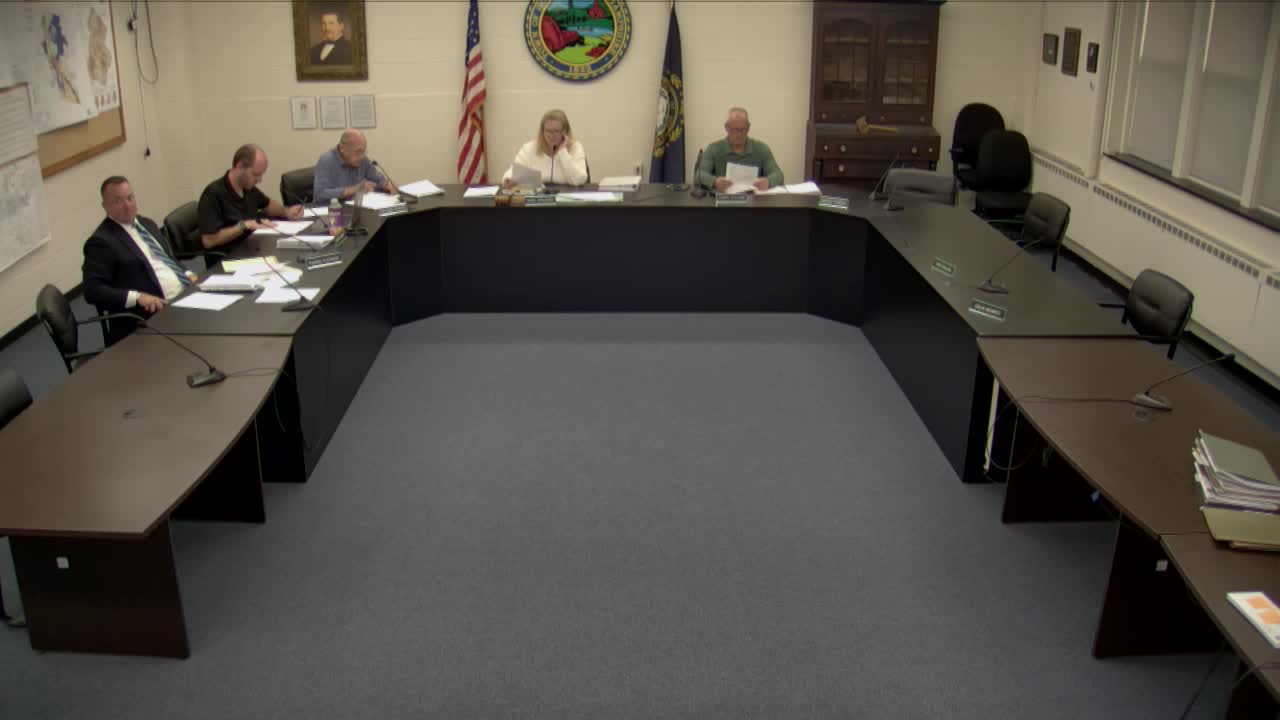
Hooksett ZBA approves special exception for wetlands crossing at 269 West River Road
Summary
The Zoning Board of Adjustment granted a special exception to allow a driveway crossing and subdivision access that will impact wetland buffers to reach upland buildable area at 269 West River Road. The vote was unanimous.
The Hooksett Zoning Board of Adjustment on a 5-0 vote approved a special exception to allow construction of an access drive that will cross wetland buffers at 269 West River Road (Map 17, Lot 18) so the applicant can serve three new single-family lots.
The applicant team told the board the property is about 5.72 acres and is undeveloped, with upland at the rear of the lot separated from the road by wetlands and a preexisting crossing. Granite Engineering’s Joe Picarelli said the shared driveway layout “will result in approximately 6,444 square feet of wetlands disturbance.” He also said the site lies in FEMA Flood Zone AE and the design uses the 100-year flood elevation of 189 to set finished floor and garage pad elevations.
The board’s decision came after presentations from the applicant’s attorney, Eli Lano of Bernstein Sher, and engineer Joe Picarelli, public comment from nearby property owners, and questions from members about alternatives, drainage and town overlay rules. Lano argued the crossing is necessary to access the buildable upland and said the proposal improves an existing, previously disturbed crossing by adding a culvert and engineered stormwater controls. “If this was easy, it would have been built,” Lano told the board, noting the parcel’s constraints.
Why it matters: The approval allows the developer to construct a widened shared driveway and related stormwater best-management practices within wetland buffer areas to reach upland lots. The board’s findings emphasize that the work is proposed in an already-disturbed crossing, that conservation and planning comments were received, and that the applicant provided engineered stormwater mitigation and flood-storage balancing.
Key details - Applicant representatives: attorney Eli Lano (Bernstein Sher) and Joe Picarelli (Granite Engineering). - Site: 269 West River Road, Map 17 Lot 18; approximately 5.72 acres; zoned medium-density residential. - Proposal: Subdivide property into three single-family lots with a shared driveway that crosses wetlands; municipal water and private septic for each lot reported; detention basins and treatment swales shown on plans. - Wetland impacts: Applicant reported approximately 6,444 square feet of wetland disturbance tied to the driveway construction. - Floodplain: Property in FEMA Flood Zone AE; applicant used the 100-year elevation (189) for building elevations. - Regulatory references: Hooksett Zoning Ordinance Article 18 (wetlands crossing/special exception) and Article 24 (special exception criteria) were cited and addressed in the application. - Board action: Motion to approve the special exception (Z25-11) carried, vote recorded as 5–0.
What the board required/said Board members discussed alternatives, whether moving the crossing would increase wetland fill elsewhere, and the need for engineered culverts and stormwater treatment to protect downstream properties. Planning and conservation comments were in the record and the applicant said they intend to return to the planning board with final engineered plans. The application included a proposed culvert and headwalls to restore hydraulic connectivity; the applicant identified the crossing location as the least-impact option given existing fill and topography.
Public remarks An abutter raised concerns about potential changes in runoff and culvert maintenance and asked who would be responsible to keep culverts clear and to monitor deicing impacts. The applicant said maintenance and responsibility would be defined as part of final design and property transfer documents and noted the project will include sediment and stormwater treatment features intended to reduce net runoff to the wetlands.
What’s next With the special exception approved, the applicant must complete any outstanding permit steps with the planning board and obtain required state and local permits for wetlands work and septic systems before construction can begin. The applicant also indicated plans for peer-reviewed stormwater design during the planning-board stage.
Ending: The board framed the vote as balancing limited local buildable land with wetlands protection: members said the application proposes engineering controls intended to lessen current drainage problems while allowing access to upland building areas.