Get Full Government Meeting Transcripts, Videos, & Alerts Forever!
Get email alerts on the Waste Transfer South Coast Renewables topic
No spam. Unsubscribe anytime.
Council asks Board of Health for another hearing on proposed South Coast Renewables waste transfer project
Summary
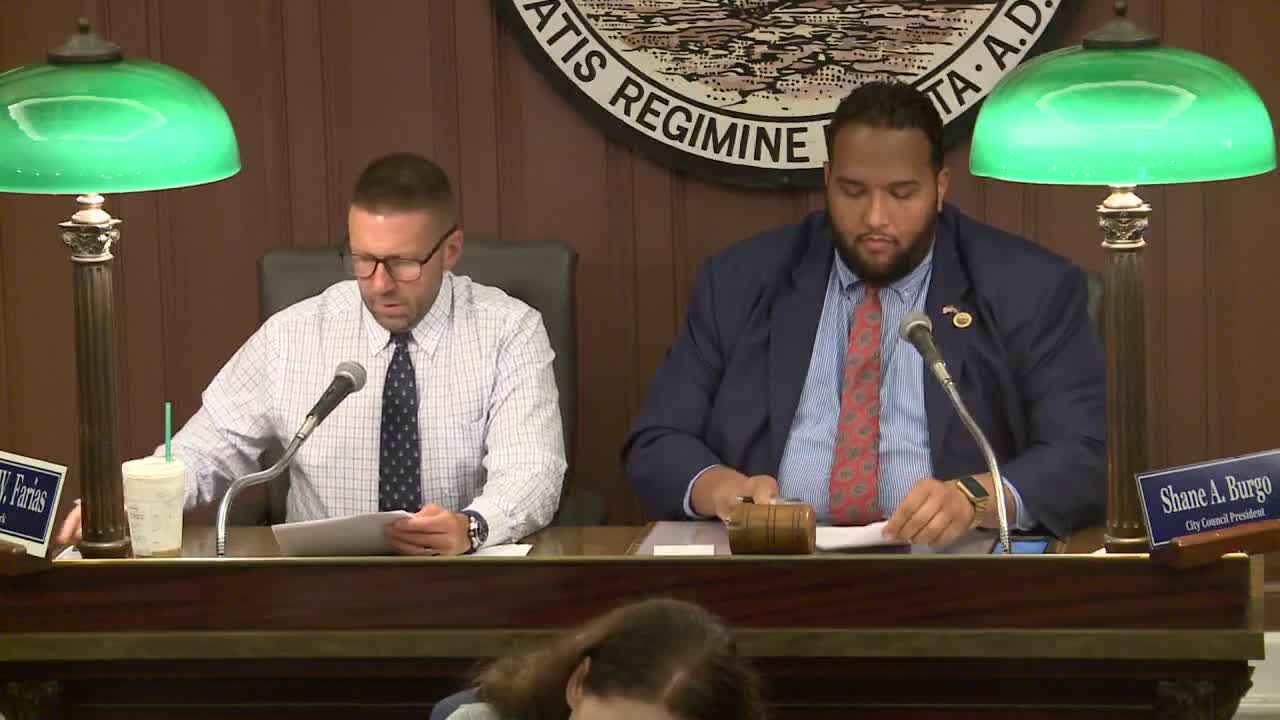
New Bedford City Council voted to refer a motion asking the Board of Health to hold an additional public hearing on a proposed waste transfer facility operated by Parallel Products/South Coast Renewables after councilors and residents criticized prior hearings' notice and format.
The New Bedford City Council voted to refer a motion asking the New Bedford Board of Public Health to hold an additional public hearing on a proposed waste transfer facility operated by Parallel Products, which is doing business as South Coast Renewables LLC, and to involve residents of the city’s Far North (North End) neighborhood before the Board of Health takes a final vote.
Councilor Brian K. Gomes, who made the motion, said the earlier public hearings were poorly noticed and structured so that residents had little opportunity to speak. He asked the council to work with Ward 1’s councilor and the Board of Health to convene a follow-up hearing focused on appearance, notification and direct public engagement. “Many of the people in that far North End had no idea about this meeting,” Gomes said during the council meeting. “This is not how you notify people when you’re making an impact on their life.”
The council’s request to the Board of Health was referred to the Committee on Public Safety and the Board of Health; the referral was approved by voice vote.
Why it matters: The proposal would place a regional solid-waste transfer operation near residential areas in New Bedford’s Far North End. Council members and residents raised concerns about traffic, odors, public-health impacts and the format of the prior hearings conducted by state and local officials. Councilors and residents argued that additional public input focused on local concerns is needed before the Board of Health issues a final determination.
Councilors noted specific neighborhood impacts and expressed frustration with notice and hearing procedures. Councilor Linda M. Morad said the Board of Health hearing schedule limited public comment to a short window late in multiday sessions and that some residents had been effectively excluded. Councilor Naomi Carney criticized the reliance on outside experts unfamiliar with local conditions and urged local fire and health officials be included in future hearings. Councilor Sean Oliver and others called for the mayor to attend and state his position publicly.
The council also discussed a friendly amendment from Councilor Joseph Lopes proposing to move the meeting site from Pulaski School to Normandan/Nomanda Middle School for space reasons; Councilor Gomes later said the hearing would remain at Pulaski School to preserve the schedule and allow more neighborhood participation, and the council agreed to keep Pulaski.
Separately, councilors Brian K. Gomes and Linda M. Morad submitted and had read into the record a letter the two sent to federal officials asking for assistance to stop the project. The letter requests that the White House and federal agencies review the Massachusetts Department of Environmental Protection’s (MassDEP) positive site-suitability determination and asks for an administrative cease-and-desist while the matter is reviewed. The council received and placed that communication on file.
What was proposed: The developers’ application (as described in council communications) seeks site suitability for a facility at 100 Duchenne Boulevard that, according to submitted materials, would accept up to 1,500 tons per day of municipal solid waste and could generate thousands of truck trips daily. The council and residents said the site sits near single-family homes, schools and public-housing developments; the communications cited specific counts used in submissions to state agencies.
Next steps: The referral sends the request for a local, focused Board of Health hearing to the Committee on Public Safety and the Board of Health. Councilors and supporters said they will coordinate to ensure the Board of Health hears neighborhood testimony before it votes. Councilors also said they intend to follow up with the mayor’s office and, if needed, to pursue additional administrative or legal options.
Ending: City councilors said they will monitor Board of Health scheduling and pushed for stronger local outreach and notice to affected residents. A decision date cited in council remarks for the state process was mid-September 2025; councilors asked that any additional local hearing be held before that date.