
Rapid City posts load limits, seeks funding to replace Chapel Lane Bridge after inspections find severe corrosion
Get AI-powered insights, summaries, and transcripts
Sign Up Free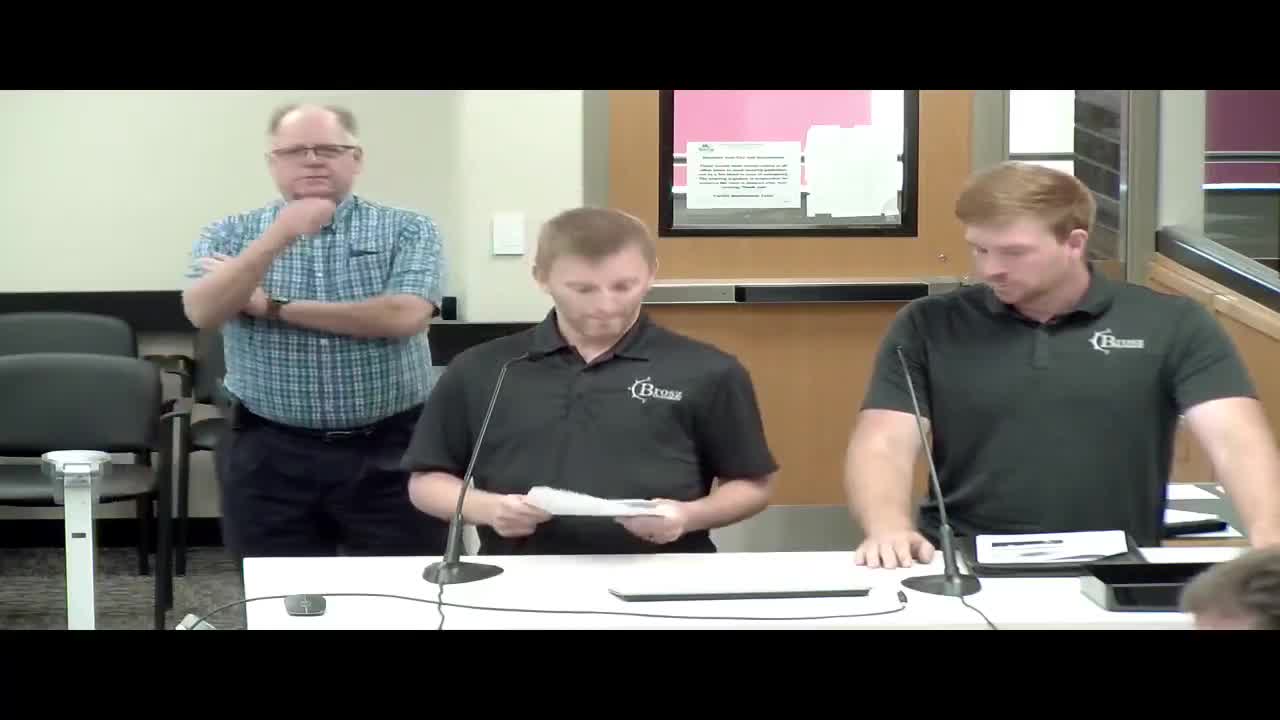
Summary
Engineers reported a three‑foot deck hole and widespread corrosion during a 2025 inspection and the city has posted the Chapel Lane Bridge to limit heavy vehicles while pursuing a roughly $4.3 million replacement with federal/state grant support.
City engineers reported significant deterioration on multiple Rapid City bridges during a presentation of the 2025 bridge inspection report, prompting temporary load limits, partial closures and plans to seek state grant funding for replacement work.
Bros Engineering inspector Josh Hertel told the council the inspection was triggered after a call that a roughly 3‑foot‑diameter hole had opened in the Chapel Lane Bridge deck; the city had already closed the lane and made a temporary repair before his in‑depth inspection. "This inspection was not initially on our list this year, but we got a call that there had been a hole in the deck," Hertel said.
City engineering staff concluded the bridge should be posted to keep heavier vehicles off the structure while further evaluation and repairs proceed. City staff described a load posting at 75% of legal load (about 18 tons for a single‑unit vehicle and higher limits for combinations), effective Aug. 20, with signing on the bridge and on adjacent Jackson Boulevard to prevent trucks from becoming trapped.
Roger, the city engineer, said the posting aims to reduce the chance of additional holes and protect public safety. He listed outreach steps taken before the posting, including letters to 538 households in the Chapel Valley area and meetings with stakeholders — Rapid City Schools (to confirm buses meet the reduced limit), Visit Rapid City, emergency services, Rhapsody Transit and South Dakota DOT representatives.
Roger said the city has applied for the South Dakota Department of Transportation Bridge Improvement Grant (DOT grant that typically funds 80% of eligible replacement costs) and estimated a full replacement at about $4,300,000. HDR is the design firm; the project is already in design, with a grant application targeted for January and an anticipated bid in early spring for late‑summer construction. Engineers estimated about an 18‑month construction period and said the work will require building the bridge in halves because the crossing is the only access in and out of the neighborhood.
The inspection presentation also described serious condition issues at other structures. On Somerset Drive (Structure 52391332) engineers found severe corrosion on abutment caps and exposed, corroded rebar under the deck; that structure is already posted at 30 and 50 tons and may require further posting if deterioration accelerates. Creek Drive has heavy spalling of concrete beams and severed reinforcement strands; crews closed the east half of that bridge and are evaluating replacement with a precast box culvert.
Fire department and emergency‑services staff told the council they have adjusted response protocols to reduce large apparatus crossings when possible but said apparatus will still cross in emergencies. Fire staff reported the area has seen dozens of calls: in 2024 they responded 34 times to that service area with the engine crossing 16 times; in 2025 through the date presented they had done 22 calls with the engine crossing 10 times. The fire chief said the department will stage additional units offsite and send apparatus across only when needed to meet NFPA response staffing standards.
Councilman Bill Evans and others asked whether temporary reinforcement of a half bridge during construction had been investigated; engineering staff said standard load rating is done for a whole structure and they would follow up on whether temporary lane‑specific reinforcement is feasible. Staff also said they are reviewing salt and chemical use on the crossing after finding no drainage off the older structure contributed to accelerated deterioration.
The council acknowledged the inspection presentation; a motion to acknowledge the report carried. Staff said they will continue weekly monitoring, pursue grant funding, coordinate traffic control and signage, and further study secondary emergency egress options for Chapel Valley.
Proposed next steps described to the council include applying for the DOT Bridge Improvement Grant, continuing design with HDR, completing a replacement design and proceeding to bidding if funding is secured.