Get Full Government Meeting Transcripts, Videos, & Alerts Forever!
Get email alerts on the Girls Softball topic
No spam. Unsubscribe anytime.
Parents urge Evanston High School to add girls softball; board sets conditions and timetable
Summary
Parents proposed creating a girls softball program at Evanston High School, presenting survey results and cost estimates; the board discussed facilities, weather, travel and funding and asked proponents to return in February–March with more information before the board considers committing funds for 2026–27.
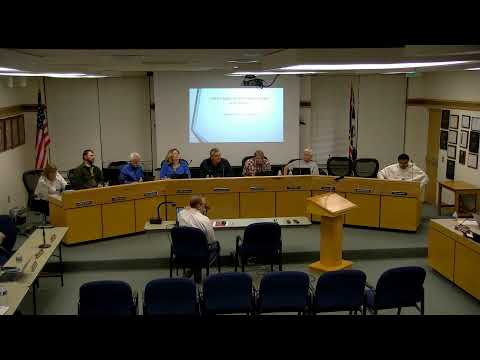
Parents of Evanston students formally proposed creating a girls softball team at Evanston High School, citing strong student interest and community support during a presentation at the Uinta County School District #1 Board of Trustees meeting. The parents asked the board to approve a program that could begin practices next spring with play in 2026–27.
The presenters said an informal district survey produced 104 responses showing 85% of respondents would like a girls softball program; 61% said they would choose softball over other spring sports if both were offered. The parents said roughly 32 middle-school–age girls participated in rec leagues this year and that middle-school play currently ends after eighth grade because of age limits in rec divisions.
Why it matters: Supporters said a high-school softball program would provide continuity for girls aging out of middle-school recreation, create scholarship opportunities and strengthen school athletics. Board members and administrators raised practical concerns about weather, facilities, travel and recurring costs that they said must be resolved before the district commits capital or operating funds.
Board and staff feedback and financial questions
Superintendent Thomas and athletic director Mr. O'Neil (identified in discussion) said the district supports the idea in principle but warned of several constraints: the Wyoming season currently runs roughly March 8–May 23, which would require frequent long road trips for Evanston because most conference opponents are on the state’s eastern side. Travel, hotel and per-diem costs were repeatedly cited as a major recurring expense. One presenter said start-up estimates from other districts put initial costs at about $55,000 and recurring annual costs at roughly $16,000 (largely travel); district staff later estimated field renovation and turf work could cost far more depending on scope.
District leaders said the existing high-school campus field likely would require substantial modification (turf, fencing and movable bases) to host softball and that changes could range from an estimated $55,000–$60,000 for basic modifications up to $300,000–$350,000 for a larger renovation. Board members noted past decisions (soccer/turf/dome investments) and the district’s limited capital budget and said they do not want to “put softball behind the 8‑ball” by creating a program without a sustainable facility and feeder pipeline.
Several board members also flagged participation numbers: attendees said a feeder pipeline exists in youth and middle-school programs but that the district has fewer total students now than two decades ago, and that the district would likely need around 30 student-athletes to field competitive JV and varsity squads. Board members and staff wanted confirmation of participation at the high-school level before approving recurring costs or capital work.
Next steps and board response
Chairman Jeremy Peterson and Superintendent Thomas invited proponents to return in February or March with a clearer roster of interested high‑school players, coaches and a detailed budget. The board set a practical threshold: if 30 or more students indicate commitment at that time, the administration said it would bring a funding recommendation to the board for the following school year (2026–27). Peterson also asked proponents to meet with district staff about facilities and scheduling with existing users (soccer, track, Legion/Outlaws program) to avoid operational conflicts.
Several community partners, including the American Legion Outlaws and rec‑center representatives, told the board they are willing to coordinate on scheduling and, in some cases, temporary field use while the district evaluates on‑campus options.
Ending
The board did not vote to create the program at the meeting. Instead it asked proponents to return with a clearer count of committed players, a proposed coaching plan and a facility plan in early 2026; only after those items are supplied will the board consider budget or capital commitments.