
Ione council adopts censure of Councilmember Lisonbee Lefaine after investigator finds multiple violations
Get AI-powered insights, summaries, and transcripts
Subscribe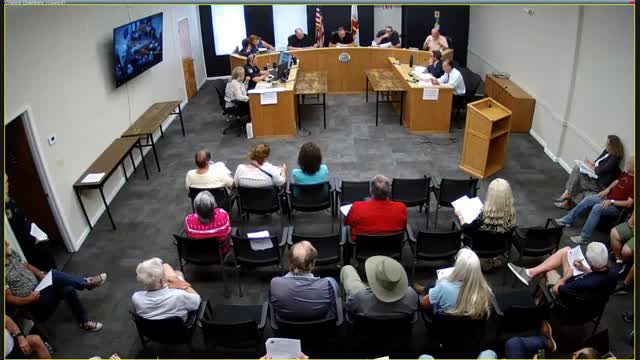
Summary
The Ione City Council on July 15 adopted a resolution censuring Councilmember Lisonbee Lefaine after an outside review found multiple instances of conduct the investigator said interfered with city operations and harmed staff morale. Lefaine objected, citing due-process concerns and disputed several factual findings.
The Ione City Council voted July 15 to adopt a resolution disapproving and censuring Councilmember Lisonbee Lefaine, following an investigatorreview and substantial public comment.
The resolution was adopted by voice vote after debate and public testimony opposing and supporting the action. The council's formal motion to adopt the censure passed; the meeting transcript does not record a roll-call tally for the final vote.
The censure stems from an independent review by investigator Mark Miles, who told the council he based findings on interviews and a document review. Milesreported that multiple allegations against Lefaine were sustained, including contacting third parties on city matters without council authorization and conduct that department heads said had harmed staff morale. "I make a finding based on council member Lefaine's comments and on those emails that she was in fact negotiating," Miles said during the meeting about exchanges that took place before Oct. 15, 2024.
Lefaine objected to the process and to parts of the investigator's account. "I was not given an opportunity to review and address the documents that were sent to Mr. Miles for his findings," Councilmember Lisonbee Lefaine said, reading from an objection she submitted to the council. She repeatedly said portions of the investigatorreport omitted emails and other records she said would change the context of the findings.
Council members who supported the censure pointed to testimony from multiple city department heads and contractors who described repeated, unwelcome contact and communications they said interfered with operations. "When I have a department head after department head and contractors that are key to running this city that say I'm working, and they didn't say hostile work environment, but one after the other say we've got an issue with what is going on and how we're being contacted, that to me speaks volumes," Councilmember Jack Mitchell said during debate.
Several speakers in the public comment period argued both for and against the censure. Supporters said the council lacked a social-media policy and that Lefaine's comments had damaged staff morale; opponents called the action politically motivated, raised due-process concerns and questioned the selection and scope of the investigator's work.
Lefaine and several public commenters also questioned the timing and notice of the hearing and whether all evidence used by the investigator had been shared with Lefaine in time to respond. Lefaine said she filed public-record requests to obtain materials she said were not provided before the investigatorinterview.
Council discussion repeatedly referenced the citycensure policy the council adopted in March; some members said the policy requires certain procedural protections that they argued were not followed fully. Others said the council's responsibility to protect staff and ensure an effective workplace required action.
The censure is a formal expression of disapproval; it does not remove Lefaine from office or change statutory duties. The resolution text adopted by council describes the basis for censure and will be entered into the public record. Lefaine said she will continue to object to the proceedings and the report's findings.
The vote concluded a monthslong controversy that began with written complaints and an external review. The council also heard extended public comment on related matters, and councilmembers asked staff for documentation of expenses tied to the investigation.
Councilmembers who spoke for and against the resolution urged the body to adopt a social-media policy and to improve internal procedures for complaints in order to reduce recurrence of similar disputes.
Mayor Rhodes opened and closed the item and presided over the hearing; investigator Mark Miles participated by Zoom and answered council questions about his methods.
The resolution was adopted at the July 15 meeting; Lefaine's objection and the investigator's report are now part of the public record and available through the city's meeting materials.