Get Full Government Meeting Transcripts, Videos, & Alerts Forever!
Get email alerts on the Open Meetings Law topic
No spam. Unsubscribe anytime.
City attorney, clerk brief council on Wisconsin open meetings law; members discuss training and sanctions
Summary
City attorney and the outgoing city clerk presented a refresher on Wisconsin's open meetings law, covering notice requirements, walking quorums, use of email and texts, closed‑session rules and recent court guidance; council members discussed mandatory training and possible sanctions for repeated violations.
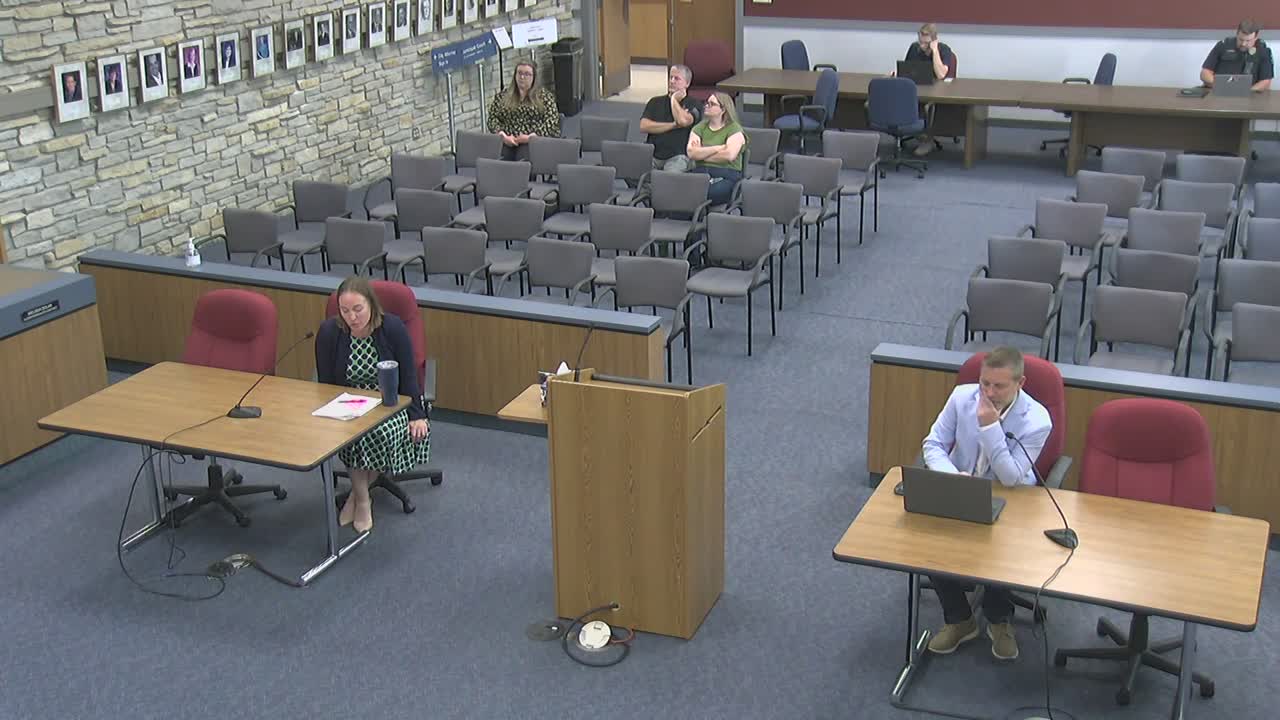
City attorney representatives and the city clerk gave a multipart training on Wisconsin’s open meetings law, reviewing what constitutes a governmental body and a meeting, notice and accessibility requirements, the limits on private communications among members, and the rules for entering closed session.
The attorney leading the presentation emphasized that public notice must set forth time, date, place and subject matter in sufficient detail to reasonably apprise the public, and that notice must be provided at least 24 business hours in advance. The presenters cautioned that “walking quorums” — serial conversations among members that, taken together, reach a quorum — and group text messages or mass emails can run afoul of the law. They said committees and subunits created by the council are also governmental bodies subject to the same rules.
The council discussed a February Court of Appeals decision (Waitsinger v. City of Marinette) that the presenters said narrowed the permissible use of closed sessions where records and an initial open discussion were not made before moving behind closed doors. The presenters said the Marinette decision reinforced that closed sessions must be invoked only when necessary and that a presiding officer should state the statutory exemption and the specific reason on the record before the vote to go into closed session.
Members raised operational questions: whether same‑day Zoom‑link changes constitute a change of meeting location requiring new notice (the presenters said yes, and advised postponement when a posted link is changed without proper notice), and whether neighborhood Facebook threads can create a negative quorum (the attorneys said it is a potential risk when enough members participate). One alder proposed requiring annual or periodic training for elected officials on open meetings and records; several council members supported the idea and asked the city attorney to research options.
The council also discussed enforcement and penalties. Presenters said a verified complaint can trigger enforcement by the attorney general, district attorney or the entity with jurisdiction; penalties for knowing violations may include fines ($25–$300 per violation) and that bodies generally cannot reimburse members for forfeitures. A council member noted that litigation and attorney fees can become substantial for a municipality defending open‑meetings claims.
During the session members repeatedly urged adherence to transparency. Ald. Franzen quoted Justice Brandeis: “Sunshine is the best disinfectant,” and several members said they would like clearer internal guidance, including formal training, for elected officials and committee members.