Get Full Government Meeting Transcripts, Videos, & Alerts Forever!
Get email alerts on the Historic Preservation topic
No spam. Unsubscribe anytime.
Titusville project documents Joynerville's African American history, urges signage, walking tours and website
Summary
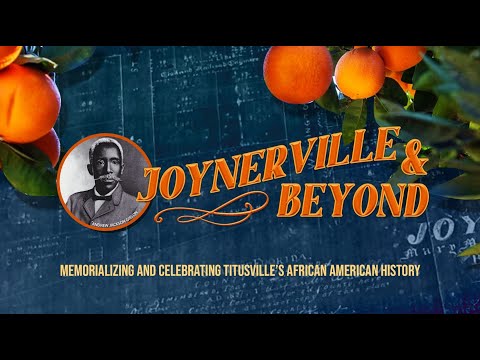
A city-funded preservation effort called "Joynerville and beyond" documented Titusville's African American history, tracing settlement from the 1880s and recommending interpretive signs, walking tours and a website to preserve local memory.
City of Titusville staff and consultants presented findings from “Joynerville and beyond,” a project documenting the city’s African American heritage and funded by a grant from the Florida Division of Historical Resources. The presentation described early settlement beginning in the 1880s, the growth of a Black commercial district on South Street, and recommendations to place interpretive signs, publish walking-tour materials and launch a website to preserve local memory.
The project, led by Stantec of Orlando in collaboration with the City of Titusville Historic Preservation Board and community members, used archival research, field study and oral-history interviews. A public workshop in April 2024 gathered photographs, newspaper clippings and personal memorabilia that project staff said helped build a more complete record.
"Every name in an old census record, every faded photograph, every pinpoint on a map adds another layer to the story," said Staff member (project presenter), summarizing the project’s research approach. Project materials identify Andrew Jackson Gibson as an early African American resident and businessman who started a school and commercial enterprises in what became the community known as Joynerville.
The presentation said settlers initially lived near what are now South Street and South Palm Avenue, many arriving by railroad or steamboat and working on railroad construction and operations. Over time, homes and small businesses concentrated on South Street and formed what presenters described as the historic Black business district; the presentation noted that the Brevard County Courthouse now sits on part of that area.
Community members emphasized the need to make that history visible. "The idea of the Joynerville project is to just recognize the individuals, the struggles of the community, highlight those accomplishments, and to preserve our history," said Community member (unnamed). Project recommendations combine physical and digital interpretation: an interpretive sign program with consistent design, walking-tour brochures, and a dedicated website that could incorporate photos and audio clips from oral histories.
The presenters described the project as aiming to correct underrepresentation of the city’s Black history in existing preservation efforts and to provide resources residents can use to learn family and local history. The presentation did not include any formal vote or council action; the materials and recommendations were described as findings and proposals for future city consideration.
Project contributors thanked residents who shared stories and artifacts during the research process and suggested the next steps would be to consider where and how interpretive signage and other materials would be placed, how to fund and maintain them, and how to integrate community input into any installations.