Get Full Government Meeting Transcripts, Videos, & Alerts Forever!
Get email alerts on the Wastewater Infrastructure topic
No spam. Unsubscribe anytime.
Greenfield adopts temporary moratorium on permits tied to wastewater system
Summary
The Greenfield City Council on Aug. 26 adopted Ordinance No. 575, a temporary moratorium preventing the city from issuing building permits for projects that would require a new wastewater connection or increase wastewater flow to the city’s wastewater treatment plant.
The Greenfield City Council on Aug. 26 adopted Ordinance No. 575, a temporary moratorium preventing the city from issuing building permits for projects that would require a new wastewater connection or increase wastewater flow to the city’s wastewater treatment plant.
City staff told the council the moratorium will allow the city to implement an interim capacity management plan and evaluate plant improvements; the ordinance includes exceptions for projects with existing valid building permits, court-ordered completions, work necessary to maintain the wastewater plant, construction required to preserve public health and safety, and some grant-funded projects. Staff also said the California Department of Housing and Community Development is reviewing the draft moratorium as required for housing-related approvals.
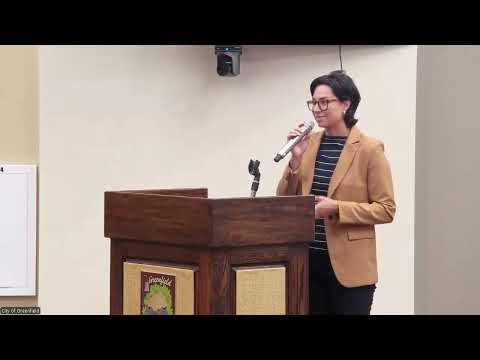
The moratorium prompted objections from local housing and nonprofit developers. Emily Barenick, a representative of People's Self Help Housing, told the council the organization has been moving a 34‑home for‑sale affordable development at 296 Apple Avenue through the city's process for years and asked that the council exempt the project or continue consideration so the project would not lose financing. Veronica Zariman Garcia, chief real estate development officer for People's Self Help Housing, warned that the moratorium could jeopardize grants, loans and program eligibility and said, "We respectfully request that council continue this matter for further consideration or, at a minimum, confirm that the 296 Apple Avenue project will be exempt from the proposed moratorium, as a sufficiently in progress affordable housing project."
Council members and staff said the decision was difficult because it required balancing the immediate needs of residents with long‑term infrastructure risk. Council members described recent regulatory changes and plant performance issues that reduced the plant’s permitted capacity and cited legal and financial risks if the city allowed additional connections before fixes are complete. City Manager Paul Wood told the council the plant is decades old, has face d recent capacity reductions by the regional water board and that the city has been pursuing funding and replacement for several years.
After public comment and discussion, a council member moved to adopt the ordinance and the motion was seconded. The council voted by voice; the motion passed and the ordinance was adopted.
The ordinance directs staff to revisit the council at least every six months to report on the interim capacity management plan and to determine whether the moratorium should be lifted. Staff told the council they will continue accepting and reviewing applications but will not issue permits covered by the moratorium while it remains in effect.
The moratorium and its exceptions raise specific questions for applicants already in the entitlement pipeline and for planned grant‑funded projects the city and nonprofit partners have been pursuing. Council members and staff asked affected developers and funding partners to meet with city staff to identify projects that may qualify for exceptions and to outline timelines for potential permit issuance once capacity or funding issues are resolved.