Get Full Government Meeting Transcripts, Videos, & Alerts Forever!
Get email alerts on the Student Services Disciplinary Education topic
No spam. Unsubscribe anytime.
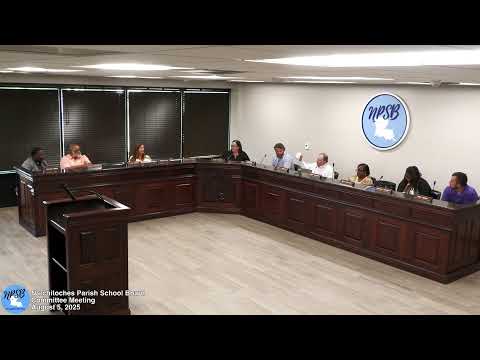
Board reviews updated alternative-education handbook and proposed pupil-progression plan; new tracking, parent notice and IEP language added
Summary
The board reviewed proposed edits to the 2025–26 alternative-education handbook and the pupil-progression plan: changes include mandatory parent notification for short-term alternative placements, explicit IEP-change safeguards, a weekly Google tracking form tied to PBIS for alternative-site students, and adjustments to early-grade progression and
Miss Pinkney (Director of Student Services/Alternative Education) presented proposed changes to the district's 2025–26 alternative-education handbook and described the intake, tracking and reentry processes developed after this year's pilot.
Key changes presented:
- Parent notification for short-term placements: the handbook adds language requiring schools to inform parents when a student is assigned to a short-term placement at the alternative site.
- Students with IEPs: the handbook now explicitly requires prior consent from the special-education director before changing an educational location or environment for a student with an Individualized Education Program.
- Reentry hearings and handoffs: the district will hold reentry hearings before a student returns to their sending school, and staff will document check-in/check-out and follow-up steps with social workers and other support staff.
- Weekly tracking and PBIS: Pinkney described a weekly progress tracker implemented as a Google form and tied to PBIS rewards; teachers will report weekly grades and behavior so sending schools can monitor progress while students are at the alternative site.
Miss Gilmore (Department of Teaching and Learning) presented the 2025–26 pupil-progression plan. She said state-prescribed policy remains in black in the document and local choices were highlighted in blue/red; minor updates include using the district literacy screener data and a district decision to apply certain early-retention guidance at first grade as a preventative measure (the district has adopted an earlier checkpoint than the state's third-grade literacy requirement). Gilmore also corrected an internal scoring threshold: where a policy error had listed 60 points it should read 67 points required for promotion under the applicable local standard.
Why it matters: the changes standardize communication with families, protect students with IEPs from unilateral placement changes, and introduce an accountability mechanism for students temporarily placed in alternative settings. The pupil-progression updates align local practice with the district's literacy-screening tools and adjust grade-progression thresholds to earlier intervention.
Ending: Board members asked clarifying questions about implementation and monitoring; staff said they will return next month with a final report on alternative-program results and any necessary revisions. No formal vote on the handbook or the pupil-progression plan is recorded in the transcript excerpt.